Rainy Season in Guanacaste: What Nobody Tells You
Forget What You Heard: Rainy Season in Guanacaste is the Best, Period.
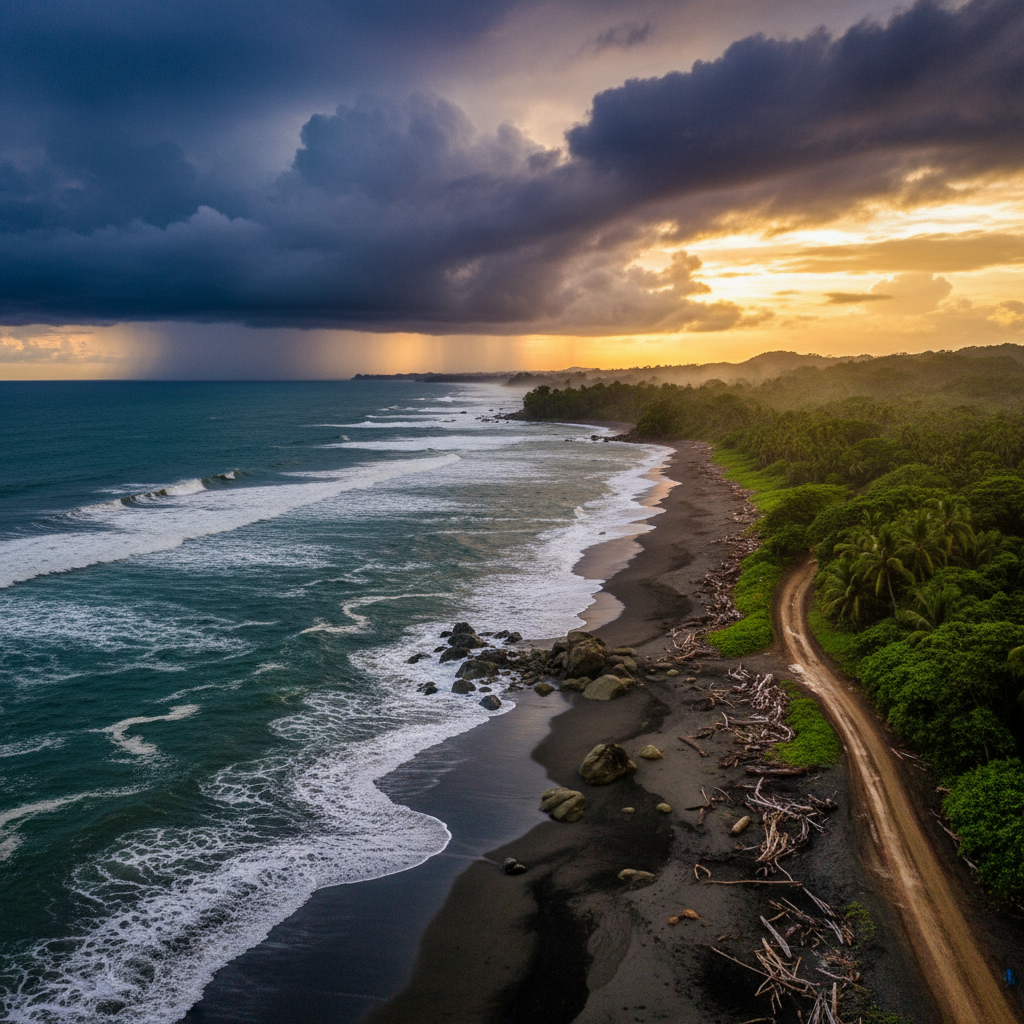
You’re probably stressing about “rainy season” here in Guanacaste, but seriously, don’t. It’s actually the prime time to visit, and I’ll tell you why the tourism brochures are lying to you. Most people think “rainy season” means endless downpours, gray skies, and cancelled plans, like they’re picturing Seattle or something. That’s just not how it works here on the Pacific side of Guanacaste. We’ve got our own thing going on.The Real Deal: Our Daily Rain Schedule
Why You Should Absolutely Come During Rainy Season
You’ll Save Big, Like Really Big
Listen, the best part, hands down, is the price drop. Everything, and I mean everything, gets cheaper. Hotels, tours, car rentals, even some local restaurants will have “green season” specials. You’re looking at discounts of 30% to 50% compared to dry season rates. That $250/night boutique hotel room in Tamarindo? Might be $130-160/night in July, as of 2026. A 4×4 SUV rental that costs $85/day in December drops to $45-55/day. Seriously, you’ll feel it in your wallet. And these aren’t just little savings; they add up fast, especially on a longer trip. It means you can stay longer, do more, or just splurge a little on a nicer place.The Crowds Disappear
This is a huge one for me. The dry season, especially December through March, can feel a bit like a packed amusement park in the popular spots like Tamarindo. Green season? It’s blissfully quiet. You’ll have beaches to yourself. Tours will have smaller groups, meaning a more personal experience. You won’t be fighting for a spot at the best sunset view. It’s a whole different vibe, much more relaxed and authentic.The Whole Place Explodes with Green
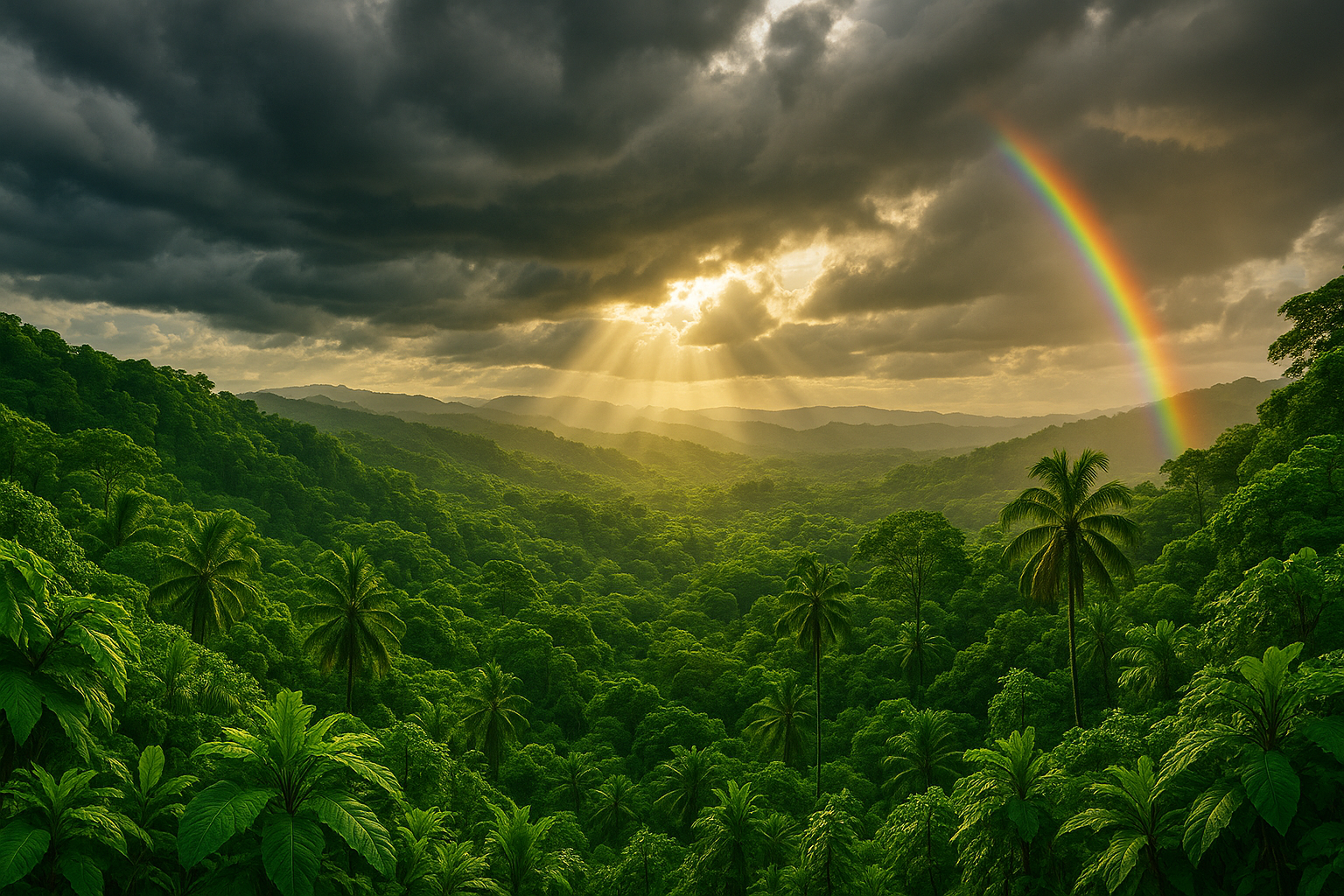
This is what “green season” really means. The dusty, yellowed hills of the dry season transform into an impossibly lush, deep, electric green. It’s like the world hits refresh. Every tree, every bush, every patch of grass just pops. The air smells fresh, and the whole atmosphere is just more alive. It’s breathtaking, truly. And the waterfalls! During the dry season, places like Llanos de Cortes Waterfall, about 45 minutes from Tamarindo, are still gorgeous but the water flow is way down. Come green season, they’re roaring. The rivers are full, perfect for tubing or just watching the current. It’s a completely different experience.Whale Watching is Prime Time
You want to see humpback whales? August to October is peak season here. The North Pacific humpbacks migrate down to our warm waters to breed and calve. It’s incredible. You’ll regularly see mothers with their babies, breaching, tail slapping. It’s a truly unforgettable experience, and you’re not going to see that in January.Alright, Let’s Talk About the Downsides (Because There Are Some)
Some Dirt Roads Get Nasty
Heads up: this is probably the biggest hassle. While most main roads are paved, a lot of the roads to the more secluded beaches or off-the-beaten-path spots are dirt. And when it rains heavily, they get muddy. Really muddy. The river crossing on the road to Playa Grande, near Matapalo, is a classic example. After a really heavy rain, that river swells, and it can become impassable for hours, sometimes even a day. You’ll see locals waiting it out, or turning back. Don’t be the tourist who tries to push through; you’ll get stuck, and it’ll cost you a tow truck and a huge headache. Trust me on this. A 4×4 vehicle is strongly recommended, especially if you plan to explore beyond the paved main roads. It just gives you peace of mind.Afternoon Plans Might Get Wet
It’s simple: if you planned an outdoor activity for 3 PM, there’s a good chance it’ll get rained out or at least delayed. You’ll learn to adjust your schedule. This isn’t a deal-breaker, just something to be aware of. You’ll adapt, believe me.The Humidity is Higher
Fair warning: it can feel sticky. The air holds a lot more moisture. If you’re sensitive to humidity, it’s something to consider. Most places have AC, so you can always retreat indoors for a bit. But expect to feel a bit damp sometimes, especially right after a rain shower. It’s just part of the tropical experience.Month-by-Month Breakdown: What to Expect When
May: The Transition Month
This is when things start to shift. You’ll get the occasional afternoon shower, usually light, signaling the end of the dry season. The dust starts to settle, and the first hints of green appear. It’s a lovely time to visit; not fully green yet, but definitely not dry. Crowds are still low, and prices are starting to dip.June – August: The Classic Green Season
This is what I described above: sunny mornings, afternoon showers, clear evenings. It’s predictably beautiful. The country is fully green, rivers are flowing, and the temperatures are pleasant. July often has a mini-dry spell, sometimes for a week or two, which is nice. This is when whale watching starts picking up towards the end of the period.September – October: The Heaviest Rain, But The Best Deals
Okay, I’m going to be honest: these are the wettest months. You’ll probably experience more all-day rain, or at least longer, heavier afternoon downpours. It’s not constant, but it’s definitely more pronounced than June-August. But this is when the real deals hit. You’re talking about prices dropping by 50% or more on some accommodations and tours. If you’re on a tight budget, or just want to feel like you have the place to yourself, this is your window. It’s also prime whale watching season, so if that’s a priority, don’t rule these months out. Just adjust your expectations for more rain and plan for cozy afternoons.November: Tapering Off
The rain starts to become less frequent and lighter. The green is still everywhere, but you can feel the dry season approaching. Mornings are reliably sunny again, and the occasional afternoon shower is often short. Crowds are still low, and prices are still excellent before the holiday rush in December. It’s often the last big push of green before the land starts to dry out again, a really pretty time to be here.What Still Works (and is Often Better) in Green Season
Mornings are Golden
Seriously, those clear, sunny mornings are everything. You’ve got a solid 6-7 hours of perfect weather every day. That means:- **Beach time:** Hit the sand early, swim, sunbathe. The beaches are empty and gorgeous.
- **Surfing:** Morning surf sessions are fantastic. Fewer people in the water, and often the swells are cleaner.
- **Hiking & Exploring:** Get out to those national parks or waterfalls early. You’ll beat the rain and have the place mostly to yourself.
Fishing Charters
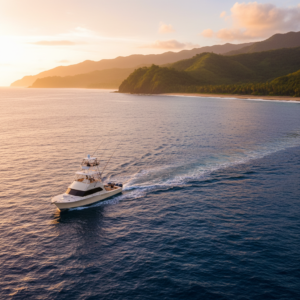
Most fishing charters leave at 6 AM. You’re usually back by noon or 1 PM, long before any rain hits. And the fishing? It can be absolutely incredible. Mahi-mahi, sailfish, yellowfin tuna, they’re all out there. The ocean’s a bit calmer in the mornings, and the fish are biting. Plus, you’re saving a couple hundred bucks on the charter itself.Afternoon Relaxation
This is your excuse to slow down. When the rain comes down, it’s the perfect time for a long lunch, an afternoon siesta, reading a book on your porch, or just having a cold beer and listening to the rain on the tin roof. It’s wonderfully meditative, actually.What to Pack Like a Local
- **Quick-dry clothes:** Forget heavy jeans or cotton. Think shorts, light shirts, anything that dries fast.
- **Rain jacket or cheap umbrella:** Don’t bother with a fancy rain jacket unless you’re doing serious hiking. A cheap umbrella from any local mini-market for about $5 (as of 2026) is usually all you need for walking around town.
- **Waterproof phone case:** Essential for protecting your phone from unexpected splashes or downpours.
- **Good sandals or water shoes:** For navigating puddles and muddy spots.
- **Bug spray:** Yes, there are more mosquitoes when it’s wet. Don’t forget it.
Green Season vs. Dry Season: A Quick Comparison
| Feature | Dry Season (Dec-Apr) | Green Season (May-Nov) |
|---|---|---|
| Average Hotel Price (Mid-Range) | $200-$250/night | $100-$160/night (30-50% off) |
| Car Rental (4×4 SUV) | $80-$100/day | $40-$60/day (30-50% off) |
| Half-Day Fishing Charter | $600-$700 | $400-$500 (30-40% off) |
| Crowds | High, especially Dec-Mar | Low, very peaceful |
| Vegetation | Dry, yellow, dusty | Lush, impossibly green |
| Waterfalls/Rivers | Lower flow, sometimes trickles | Full, roaring, great for swimming |
| Humidity | Low | Higher, especially after rain |
| Road Conditions (Dirt) | Dusty, bumpy | Muddy, can be impassable (e.g., Playa Grande river crossing) |
| Whale Watching | Rare | Peak (Aug-Oct for humpbacks) |
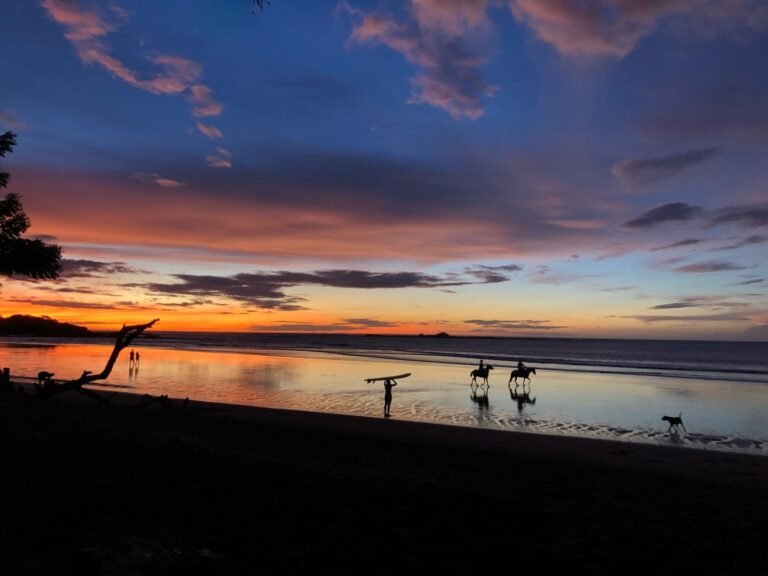
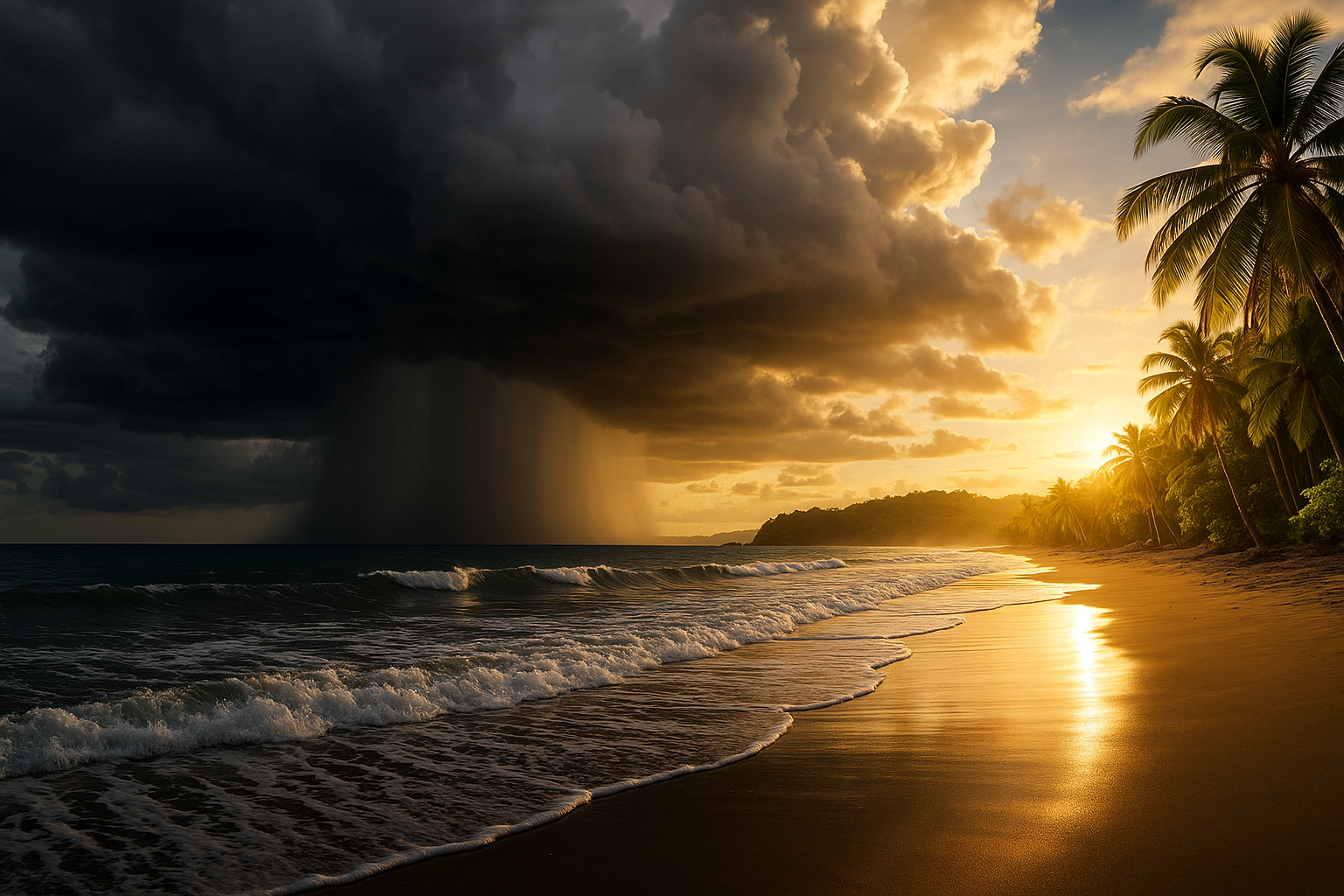
| Sunset Colors | Beautiful, clear | Often more dramatic, vibrant after rain |
FAQ: What People Always Ask Me
Is it really all-day rain in September and October?
Not always, but more likely than other months. You can definitely get days with consistent rain, or heavy showers that last for several hours. It’s not a guarantee every day, but plan for it. The pattern of morning sun, afternoon rain is less reliable in these two months. But you’ll also see some of the most dramatic storms, and then the sun will break through, and it’s gorgeous.Do tours still run in the rain?
Most morning tours run, rain or shine, unless conditions are genuinely dangerous (like a huge storm or lightning). Zip-lining, ATV tours, surfing lessons, they often continue. Afternoon tours are more likely to be affected or delayed. Just check with your tour operator, but generally, Pura Vida means they’ll make it work if they can.Do I need a 4×4 car for green season?
If you plan to stick to the main paved roads between towns like Tamarindo, Flamingo, and Liberia, you can probably get by without one. But if you want to explore the smaller beach towns, hit some waterfalls, or go off the beaten path even a little bit, a 4×4 is a very good idea. Those dirt roads can turn into a muddy mess really fast, and you don’t want to get stuck.What about mosquitoes and bugs?
Yes, there are more mosquitoes and other insects during the rainy season because of the standing water. It’s just a fact of life in the tropics. Pack good quality insect repellent with DEET or picaridin, especially for evenings and early mornings. Most accommodations have screens, and some even have mosquito nets. Don’t let it scare you off, just be prepared.Is it safe to swim in the ocean during rainy season?
Generally, yes, the ocean itself is safe to swim in. The main concern would be increased river runoff into the ocean after heavy rains, which can sometimes make the water a bit murky near river mouths. This can also sometimes attract crocodiles closer to shore in specific areas, so always be aware of your surroundings and avoid swimming near river estuaries. Stick to the main beach areas, and you’ll be fine.Still Got Questions?
Look, I’ve been here forever, I know this place like the back of my hand. If you’re still not convinced, or just need more specific advice for your trip, I’m happy to help. Hit me up for personalized tips.Planning more of your trip? See our full guide to why travelers book with a local concierge in Guanacaste.
We Will Plan and Book It For You. Free.
Skip the tourist traps and the language barrier. Tell us your dates and what you want to do. We line up the charters, tours, chef, carts and rentals with operators we know personally. No markups, no fees to you.
Get Your Free Plan