Surfing in Tamarindo: Beginner’s Complete Guide
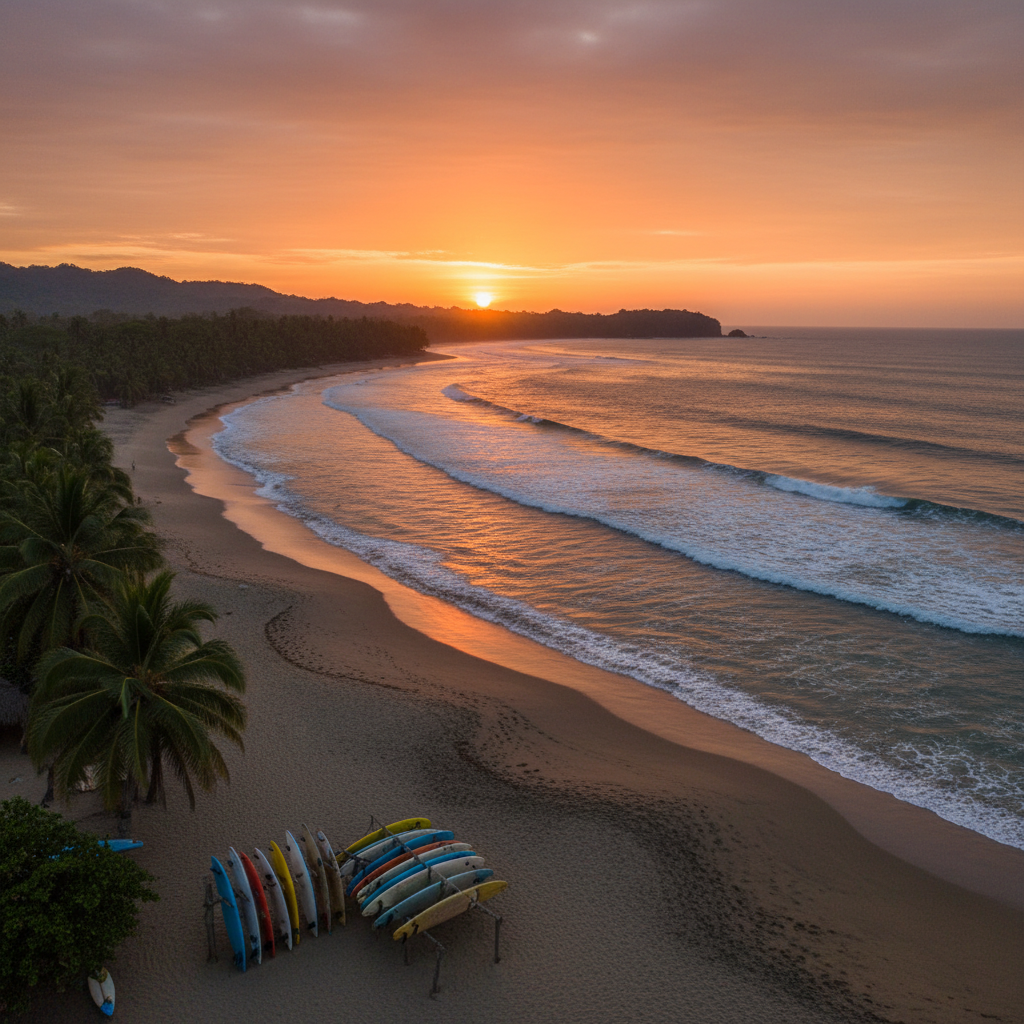
Tamarindo is absolutely one of the best places in Central America to learn how to surf, period. Trust me, I’ve seen countless people paddle out for the first time here and catch a wave within an hour. It’s a sweet spot for beginners, mostly because of the warm water, the super consistent waves, and that nice sandy bottom. You won’t be dealing with rocky reefs or crazy, pounding shore breaks right off the bat, which is a huge relief when you’re just getting your feet wet.
We’re talking 80-degree F ocean water year-round, so you don’t even need a wetsuit. You just grab a board and go. That’s a massive win right there, it makes the whole experience so much more comfortable and fun. And let’s be real, comfort is key when you’re trying something new. You’ll love it.
Where to Catch Your First Wave
If you’re a true beginner, or even just feeling a little rusty, you’ll want to head straight to the south end of Tamarindo beach. Walk past Diria Resort, past Witch’s Rock Surf Camp, and just keep going south until you’re closer to the estuary mouth. This section of the beach is your sanctuary. The waves here are much smaller and generally a lot more forgiving. They’re typically waist to chest high on an average day, which is perfect for learning.
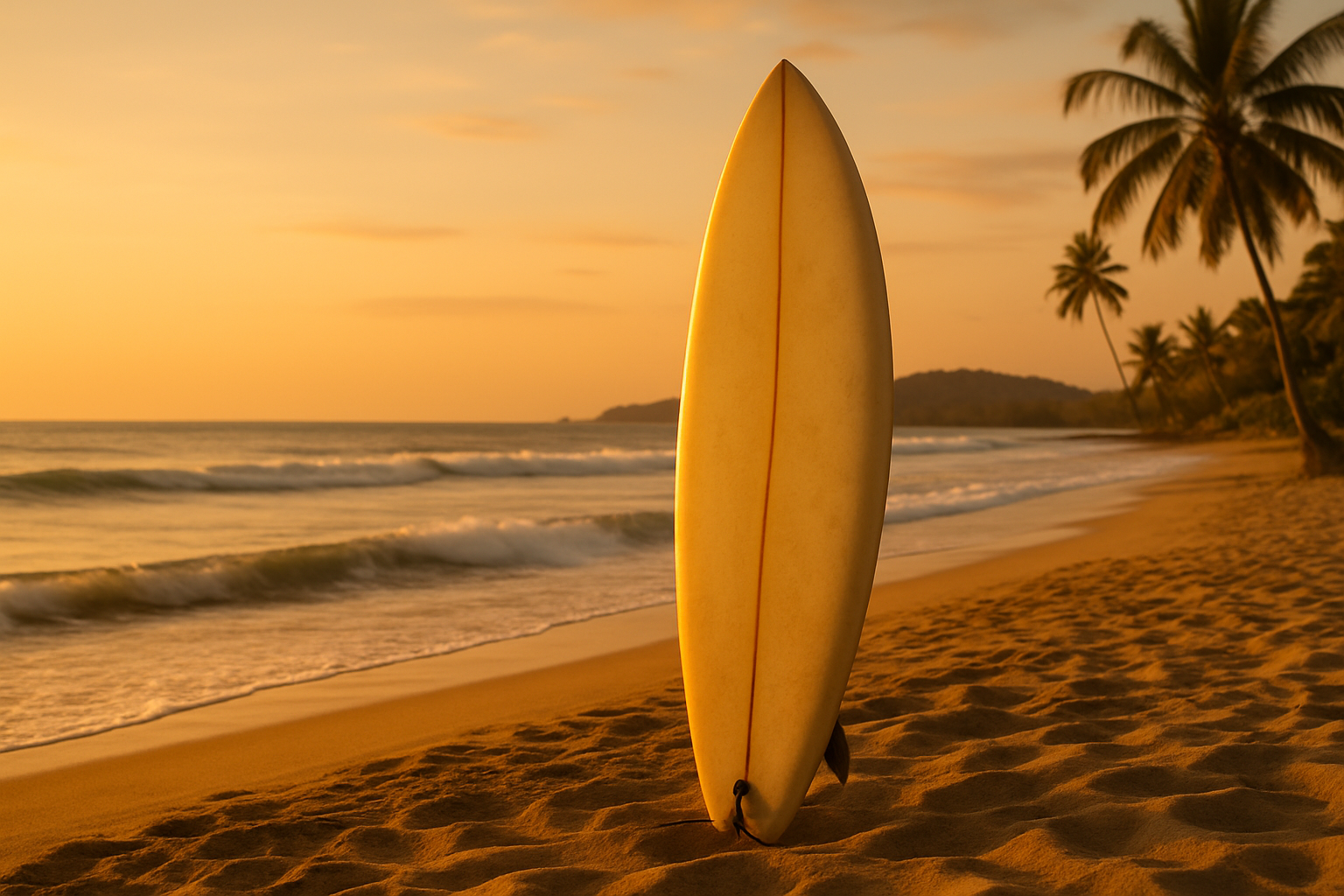
And another major plus: it’s usually way less crowded down there. You won’t be constantly dodging experienced surfers ripping down the line, which can be really intimidating when you’re still figuring out how to balance on the board. Fewer people means more waves for you, and a lot less stress.
Fair warning: while the estuary mouth itself is usually calmer, you absolutely, under no circumstances, want to surf in the actual estuary. That’s crocodile territory, people. I’m not kidding. Locals know this, but tourists sometimes get curious. Just stick to the beach, not the river. We’ve got signs for a reason.
Surf School vs. Go Solo: Don’t Be a Hero
Alright, so you’re gonna want a lesson, trust me on this. Even if you think you’re a natural, an instructor will get you standing up way faster and with much better technique than trying to figure it out on your own. Most surf schools around here offer group lessons, and that’s usually your best bet for a first-timer.
For a two-hour group lesson, you’re looking at anywhere from $50 to $80 per person, as of 2026. This price almost always includes the board rental for the duration of the lesson, and usually a rash guard too. Group sizes are typically small, maybe 3-5 students per instructor, which is good. You still get plenty of individual attention.
But if you really want to fast-track your progress, or you’re just not keen on sharing waves, a private lesson is worth the splurge. Those usually run about $100 to $150 for a two-hour session, as of 2026. You get one-on-one coaching, which means your instructor can really tailor everything to your specific needs and help you correct mistakes instantly. It’s pricey, but the improvement is often dramatic. You’ll likely catch more waves and stand up more consistently with a private coach. Many of my friends, even seasoned surfers, still occasionally book a private refresher with a local legend like “Chico” just to fine-tune something. It’s a common practice around here.
Heads up: always make sure the school is legitimate and has certified instructors. There are some guys on the beach who might offer a “lesson” for super cheap, but they often don’t have insurance or proper training. Stick to the established surf shops like Witch’s Rock Surf Camp or Tamarindo Surf Academy. They’re reliable.
Board Rentals: Soft-Tops Only, Please
After your first lesson, or if you’re feeling confident, you’ll probably want to rent a board. And here’s a critical piece of advice: for your first few days, absolutely stick to a soft-top board. Don’t even think about renting a hard board. I mean it.
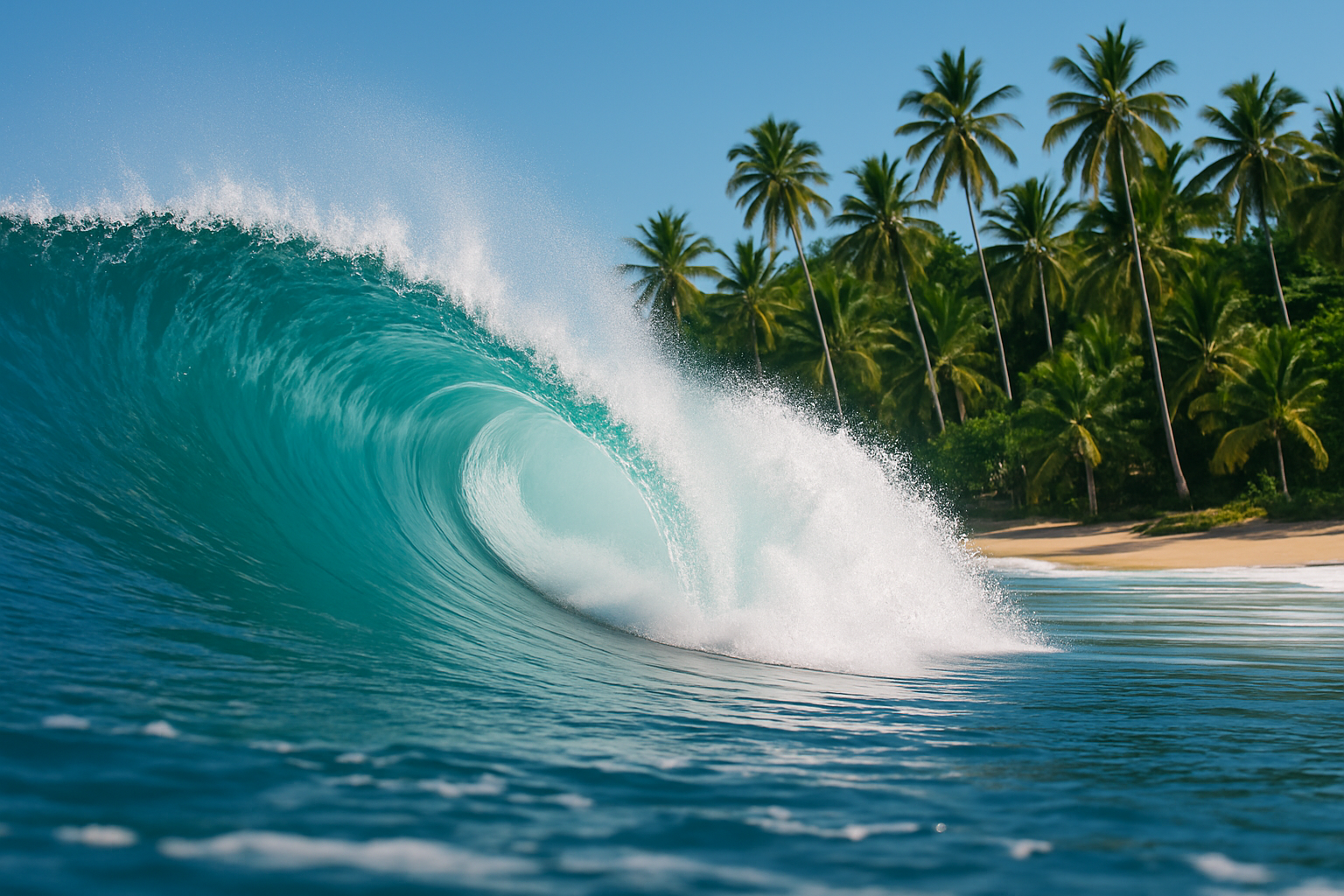
Soft-tops, sometimes called foamies, are wider, thicker, and have more buoyancy. They’re super stable, making it easier to paddle and catch waves. They also have soft fins and are generally much safer for you and for anyone else in the water if you lose control – which you definitely will, a lot. A hard board will be much harder to balance on, you’ll spend more time frustrated, and you risk dinging the board or yourself. You really don’t want a fiberglass board smacking you in the head. It hurts.
Board rentals typically cost between $15 and $25 per day, as of 2026. Most surf shops offer weekly rates too, which can save you a bit of cash if you’re staying for a while; you might get a week for $75-$100, for example. You can usually find places to rent right on the beach or just a block or two back from the sand.
Check the board condition before you take it out, make sure the leash is good and the fins aren’t broken. Seriously, don’t just grab the first one they hand you, give it a quick once-over.
Best Time to Visit: Year-Round Waves
So, when’s the best time to come? The dry season, from December to April, is generally considered “prime time” for beginners. You’ll get more consistent swells and super clean conditions. The winds are typically offshore in the mornings, making for smoother, more predictable waves. It’s also our high season, so you’ll have more crowds, but the weather is just flawless, almost zero rain.
But don’t count out the green season (what most people call the wet season), which runs roughly from May to November. It’s definitely not “bad” for surfing. In fact, we often get bigger, more powerful swells during this time. For beginners, though, you might find more days with onshore winds, which can make the waves choppier and a bit harder to learn on.
You’ll also get afternoon rain showers, but mornings are usually sunny and beautiful. The biggest perk of the green season? Way fewer tourists, and everything is a little bit cheaper. And the whole place is incredibly lush and green, it’s gorgeous. I actually prefer surfing in the green season sometimes, even with the afternoon rain, because the lineups are so much mellower. You can surf here year-round, honestly. It’s Guanacaste, the waves are almost always doing something. Just manage your expectations based on the season.
Tide Talk: It Really Matters Here
Tide absolutely matters when you’re surfing here, especially as a beginner. This isn’t like some spots where the tide hardly makes a difference. In Tamarindo, it dictates everything.
For beginners, mid-tide is almost always the sweet spot. When the tide is too high, the waves tend to break right on the shore, making it tough to paddle out and catch anything. They also lose a lot of their power. And when it’s too low, things can get really shallow, exposing rocks in some areas and making the waves break too fast and dumpy.
Mid-tide, however, gives you that perfect combination: enough water depth, and waves that break nice and slow, rolling gently towards the beach. Always, always ask your instructor or a local surf shop what the tide is doing and when the best time to go out is. They’ll know the daily schedule and can tell you exactly when the prime conditions will be for the south end of the beach. Tides here change roughly every six hours, so a good mid-tide window usually lasts a couple of hours. There are tide charts online and apps too, but a local’s real-time advice is gold. We’ve watched these tides for years, we know their rhythms.
Heads up: if you try to surf at the wrong tide, you’ll just get frustrated. Seriously, just ask. It takes five seconds.
Your First Lesson: What to Expect
Your first surf lesson is going to be a blast, I promise. Don’t stress too much about it. Most schools follow a pretty standard routine.
You’ll start with about 20 to 30 minutes on the beach. This isn’t wasted time, believe me. Your instructor will go over the basics: how to identify a good wave, how to paddle effectively, how to position yourself on the board, and most importantly, how to “pop up.” The pop-up is that quick move where you go from lying on your stomach to standing on your feet in one fluid motion. You’ll practice this on the sand over and over again until you get the muscle memory down. It looks awkward, but it’s crucial. They’ll also cover safety rules and ocean awareness.
After the beach instruction, you’ll head into the water. Your instructor will be right there with you, helping you paddle out, pushing you into waves, and giving you real-time feedback. They’ll tell you when to paddle and when to pop up. The feeling of catching that first wave and riding it, even for a few seconds, is absolutely addicting. It’s why we do this. Most people, and I’ve seen hundreds, manage to stand up at least once, usually multiple times, within their very first two-hour session. Seriously, it’s not as hard as it looks once you get the hang of the pop-up.
Stay Safe, Stay Smart
Safety first, always. This isn’t a swimming pool. The ocean is powerful and it deserves your respect.
Rip currents are a real thing here, just like at most beaches. They’re narrow channels of water moving quickly away from shore. If you ever feel like you’re being pulled out, don’t panic. Don’t try to swim directly against it back to shore. Instead, swim parallel to the beach until you’re out of the rip’s pull, and then swim back to shore. Or, just let it carry you out a little, then swim to the side and catch a wave in. It’s scary, but knowing what to do makes a huge difference.
Always surf with others. Don’t go out by yourself, especially when you’re learning. There’s safety in numbers, and someone can always help you or flag down assistance if you get into trouble. If there are lifeguards on the beach, which there often are during peak season, always stay between their flags. Those guys are there for a reason, they know the conditions.
And I’ve said it before, but it’s worth repeating: DO NOT surf near the river mouth. Seriously, it’s not a joke. The estuary is home to crocodiles, and they do come out. I’ve personally seen a huge one just past the surf break, lurking. They’re mostly harmless if you give them space and respect their territory, but you don’t want to accidentally paddle over one. Stay a good distance away from where the river meets the ocean. That’s a golden rule around here. Fair warning.
Must-Have Gear: Wax, Rash Guards, and Sunscreen
Alright, let’s talk gear beyond the board itself. These three things are non-negotiables.
First, board wax. Your rental board should come waxed, but sometimes it’s not enough, or it wears off. You’ll need wax for grip; otherwise, you’ll be slipping all over the place. Just rub it on the top deck of your board where you’ll be standing and paddling. You can pick up a bar of wax for a couple of bucks, maybe $2-$4 as of 2026, at any surf shop or even most mini-supers around Tamarindo. Make sure you get tropical water wax, it’s formulated for our warm water. Colder water wax will just melt right off.
Second, a rash guard. This is a thin, lycra-like shirt. It’s not for warmth, it’s for protection. It stops the board from rubbing your chest raw while you’re paddling, and it offers great sun protection. You’ll thank me later, because a nasty rash from the board is no fun at all. Most lessons include one, but if you’re renting a board for days, you should invest in your own. You can find them for $30-$60, as of 2026, in local surf shops like Cheboards or Iguana Surf.
And finally, sunscreen. This is Costa Rica, folks, the sun is no joke. Use reef-safe sunscreen, please. Our ocean is precious, and those chemicals are terrible for the coral and marine life. You can find good reef-safe options at surf shops or larger pharmacies. Apply it liberally, and reapply often, especially after you’ve been in the water for a while. Don’t forget your ears, the back of your neck, and the tops of your feet. You’ll get burnt in places you didn’t even know existed if you’re not careful. I’ve seen some seriously gnarly sunburns on tourists who thought they were invincible. You’re not.
Beyond Beginner: When You’re Ready for More
Once you’ve nailed the basics in Tamarindo and you’re ready for something a bit more challenging, we’ve got some incredible spots nearby. You won’t have to go far to find bigger, better waves.
Playa Avellanas, affectionately known as “Little Hawaii” (though don’t expect actual Hawaii, it’s just a local nickname), is a fantastic next step. It’s about a 20-minute drive south from Tamarindo, heading towards Hacienda Pinilla. You’ll find a few different breaks there, from longer, more mellow waves for intermediates to some pretty serious barrels when the swell is up. Lola’s restaurant right on the beach is famous, too, and a great place to grab a post-surf bite.
But definitely don’t try to surf the main break there on a big day until you’re truly comfortable with bigger surf. Fair warning: it can get heavy.
Then there’s Playa Grande, just across the estuary north of Tamarindo. You can’t just walk there from Tamarindo; you either need to drive around (about 30-40 minutes) or take a small boat taxi across the estuary from the north side of Tamarindo (but again, watch for crocs!). Grande is a long, open beach break known for more powerful waves and consistent sets, especially during the dry season. It’s also part of a national park, so it’s super undeveloped and beautiful. It’s generally less crowded than Tamarindo itself, which is a bonus. This spot is definitely for those who can paddle well and handle a bit more size.
And for something a bit more advanced, Playa Negra. This place is famous, probably one of the most consistent reef breaks in Costa Rica. It’s about a 45-minute drive south of Tamarindo. It’s a right-hand point break that breaks over a rocky bottom, so it’s not for the faint of heart or anyone still struggling with their pop-up. You’ll see some serious surfers out there. It’s beautiful to watch, even if you’re not ready to paddle out. Definitely not a beginner spot, but it’s a goal to work towards.
Surf Lesson and Rental Options (as of 2026)
| Option | Cost (USD) | Pros | Cons | Recommended For |
|---|---|---|---|---|
| Group Surf Lesson (2 hours) | $50 – $80 per person | More affordable, social, typically includes board & rash guard. | Less individual attention, might share waves. | First-timers, budget-conscious, social learners. |
| Private Surf Lesson (2 hours) | $100 – $150 per person | One-on-one coaching, rapid progress, tailored instruction, catches more waves. | More expensive. | Serious learners, those wanting fast improvement, introverts. |
| Soft-Top Board Rental (1 day) | $15 – $25 per day | Very stable, buoyant, forgiving, safe. | Slower, less maneuverable than hard boards. | All beginners, first few days of surfing. |
| Hard Board Rental (1 day) | $20 – $35 per day | Faster, more maneuverable, better for aggressive turns. | Unstable, difficult for beginners, higher risk of injury/board damage. | Intermediate to advanced surfers only. |
Your Burning Questions, Answered
Can I just rent a board and teach myself?
Technically, yes, you could. But you’ll be way more frustrated and spend a lot more time wiping out than actually riding waves. And honestly, you might pick up bad habits that are hard to unlearn later. A lesson helps you get the fundamentals right from the start. It’s worth the money for the proper technique and safety awareness, trust me.
Are there sharks in Tamarindo?
Okay, this is a common question. Yes, there are sharks in the ocean globally, so technically, yes, they’re in the waters here. But shark attacks are incredibly rare. You’re far more likely to get stung by a stingray (shuffle your feet!) or run into a crocodile near the river mouth than have any issue with a shark in the surf break. I’ve been surfing here for years, and I’ve never seen a shark in the main surf zone. Don’t worry about it, seriously.
What should I bring to my first surf lesson?
Bring your swimsuit, of course. A towel, reef-safe sunscreen (seriously, lather up), and maybe a bottle of water. Your surf school will usually provide the board and a rash guard. Don’t bring anything valuable to the beach, leave it in a secure spot at your accommodation. We sometimes have opportunistic thieves, so better safe than sorry.
Is Tamarindo too crowded for beginners?
It can get crowded, especially during dry season and holiday weeks, that’s for sure. But that’s why I told you to head to the south end of the beach. That area usually has more space, smaller waves, and fewer experienced surfers vying for the same peaks. You’ll find your own little corner, don’t worry. Just try to surf early in the morning for the best conditions and fewer people.
Can kids learn to surf in Tamarindo?
Absolutely! Tamarindo is fantastic for kids learning to surf. The warm, shallow water and gentle waves at the south end are perfect. Many surf schools here specialize in kids’ lessons, often starting from ages 5 or 6. They’ll use even larger, softer foam boards to make it super easy and safe. It’s such a great activity for them, they usually pick it up faster than adults!
So, there you have it. You’re set to come down here and catch some waves. You’ve got the info, you’ve got the warnings, now all that’s left is to book your flight. Don’t overthink it, just come experience it for yourself. It’s truly an amazing feeling.
And hey, if you need more personalized tips or help planning your trip, you know I’m around. I offer local insights on everything from finding the best ceviche to secret surf breaks only the locals know. Just hit me up.
Need more insider tips or custom trip planning? Check out my concierge service!
Need Help Planning Your Trip?
Tell us your dates and interests. We respond within a few hours with honest, personalized recommendations.
Get Free Recommendations