Best Beaches Near Tamarindo and Flamingo: A Local’s Guide
Guanacaste Beaches: Your No-BS Guide to Tamarindo & Flamingo’s Best (and Worst)
Okay, so you’re coming to visit, and you want the real scoop on the beaches here near Tamarindo and Flamingo. Good, because I’m not going to sugarcoat anything for you. I’ve been living on this coast for years, seen ’em all, and I’ll tell you straight up what’s worth your time and what’s a total skip.
Forget the glossy brochures. This is the down-and-dirty, honest truth about where to lay your towel, catch a wave, or just grab a beer with your toes in the sand.
The OG: Playa Conchal
This is probably the most famous shell beach, and yeah, it lives up to the hype for its unique look. It’s not sand, it’s millions of tiny, pulverized shells. Pretty cool, honestly. And the water is usually crystal clear, which is a huge plus.
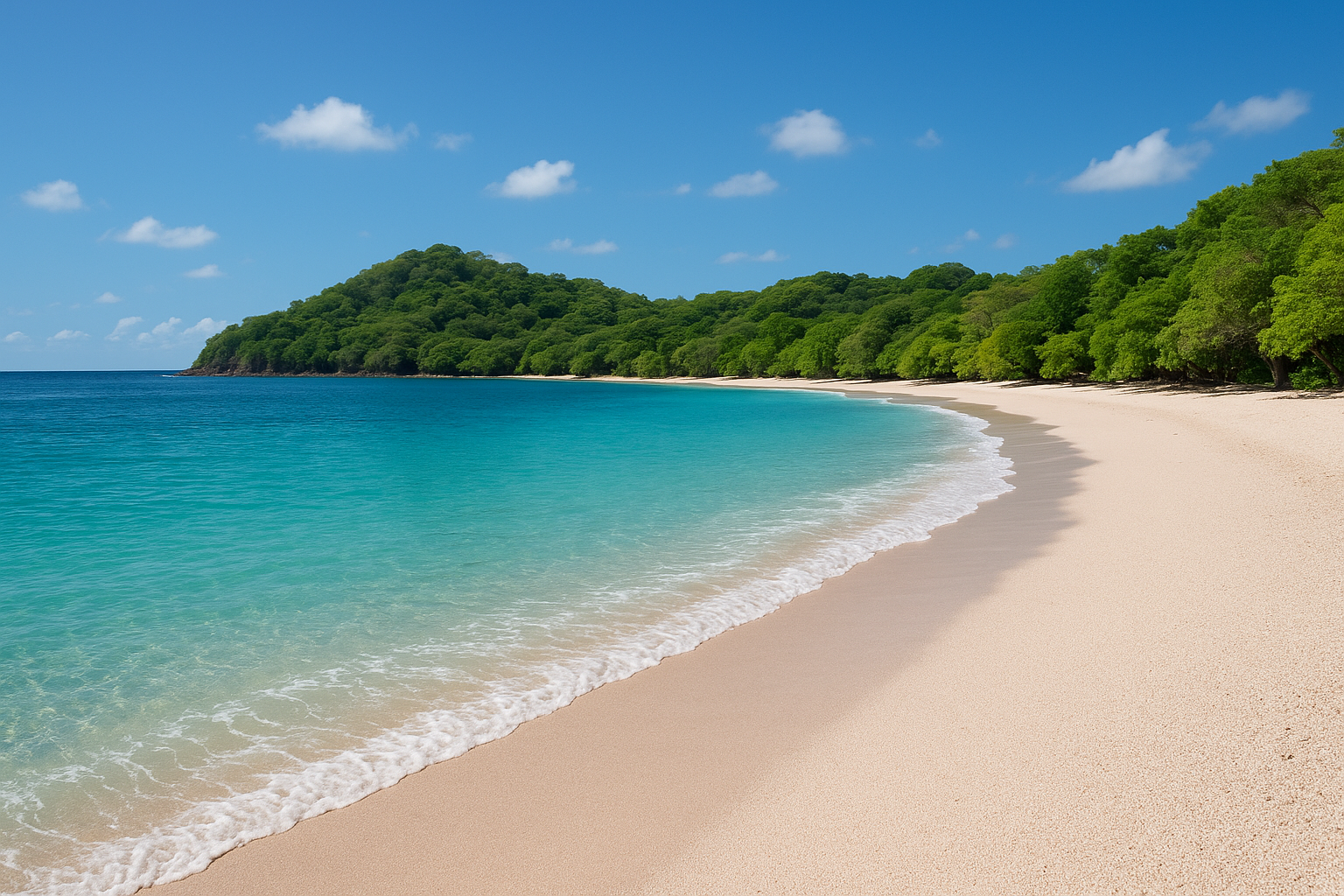
- Swimming Safety: Generally super calm, especially closer to shore. You can usually swim way out without too much worry. But fair warning: further out, especially around the rocky points, you can find some currents. Just use common sense and don’t push it.
- Crowd Level: Gets busy, especially weekends and holidays. It’s a popular spot. You won’t have it to yourself, but it’s not shoulder-to-shoulder like some of the crazy spots in Tamarindo. The crowds thin out if you walk a bit.
- How to Get There: The easiest way is to park your car in Brasilito (paved road, easy parking, as of 2026 it’s usually around $5-$10 for a guarded spot) and walk south along the beach for about 15 minutes. It’s a nice walk. You can drive a 4×4 directly to the north end of Conchal too, but the road is rough, and parking is less organized.
- Insider Tip: Want a shady spot and a cold beer? The guys renting chairs and umbrellas on the beach usually set up shop by 8 AM. Grab one early if you’re planning a full day. They also have coolers with Cokes and Imperial beers (as of 2026, beers are usually $3-$4). They go fast, so don’t dawdle. This is also the best spot for snorkeling in the area, period. Just bring your own gear or rent from one of the vendors.
Conchal is a definite must-do. Don’t expect it to be empty, but it’s gorgeous. And the sound of the shells under your feet is something else.
The Posh Spot: Playa Flamingo
Flamingo is beautiful, no doubt. The sand is white, almost blindingly so, and the water is a pretty turquoise. There’s a big new marina here, which brings in fancy boats and yachting types. It’s got a very manicured, upscale vibe.
- Swimming Safety: Super calm water here, especially in the main bay. It’s pretty protected, so it’s excellent for kids and just floating around. You won’t find crazy waves or rip currents in the main swim areas.
- Crowd Level: It’s never really “packed,” but it’s definitely not empty either. It attracts a different kind of crowd – more families, resort guests, and people from the big houses overlooking the bay. It feels exclusive.
- How to Get There: Easy. Paved roads all the way to the beach access points and plenty of parking. It’s about a 20-minute drive north from Brasilito.
- Insider Tip: For the absolute best sunset views, head to the north end of the beach, near the overlook. Grab a drink at one of the bars there, and watch the sun dip below the Pacific. It’s spectacular. Don’t forget your camera.
It’s gorgeous, but honestly, it can feel a bit sterile for my taste. It lacks some of that raw Costa Rican charm you find elsewhere. Still, if you want pretty and calm, this is your beach.
The Real Deal: Playa Brasilito
This is the real local fishing village. It’s not a resort beach. You’ll see fishing boats, local families, and maybe some dogs roaming around. It’s got an authenticity that a lot of other places have lost.
- Swimming Safety: It’s generally fine for swimming, but the water isn’t as clear as Conchal or Flamingo because of the fishing boats and estuary runoff. Don’t expect crystal clear. It’s also a bit more exposed than Flamingo, so you might get some small waves.
- Crowd Level: Local crowds, period. You won’t find many tourists just lounging here. It’s more about local life. It feels lived-in, not vacation-centric.
- How to Get There: It’s right on the main road, super easy to find. Parking is along the road or in designated areas.
- Insider Tip: This is where you come for cheap, amazing local food. The small sodas (local restaurants) right on the main street serve up killer casados (a traditional plate with rice, beans, salad, plantains, and your choice of meat or fish) for around $5-$7 as of 2026. Try Soda Brasilito or Soda La Fogata for a true taste of Tico cooking. You’ll often see fishermen bringing in their catch right here in the mornings, which is pretty cool.
Brasilito isn’t the prettiest beach, but it’s got soul. Don’t skip it if you want to see how real Ticos live by the sea.
Family Haven: Playa Potrero
If you’ve got little kids, this is the beach for you, hands down. The water is almost always flat, like a lake. It’s super calm, super safe, and perfect for toddlers to splash around without worrying about big waves.
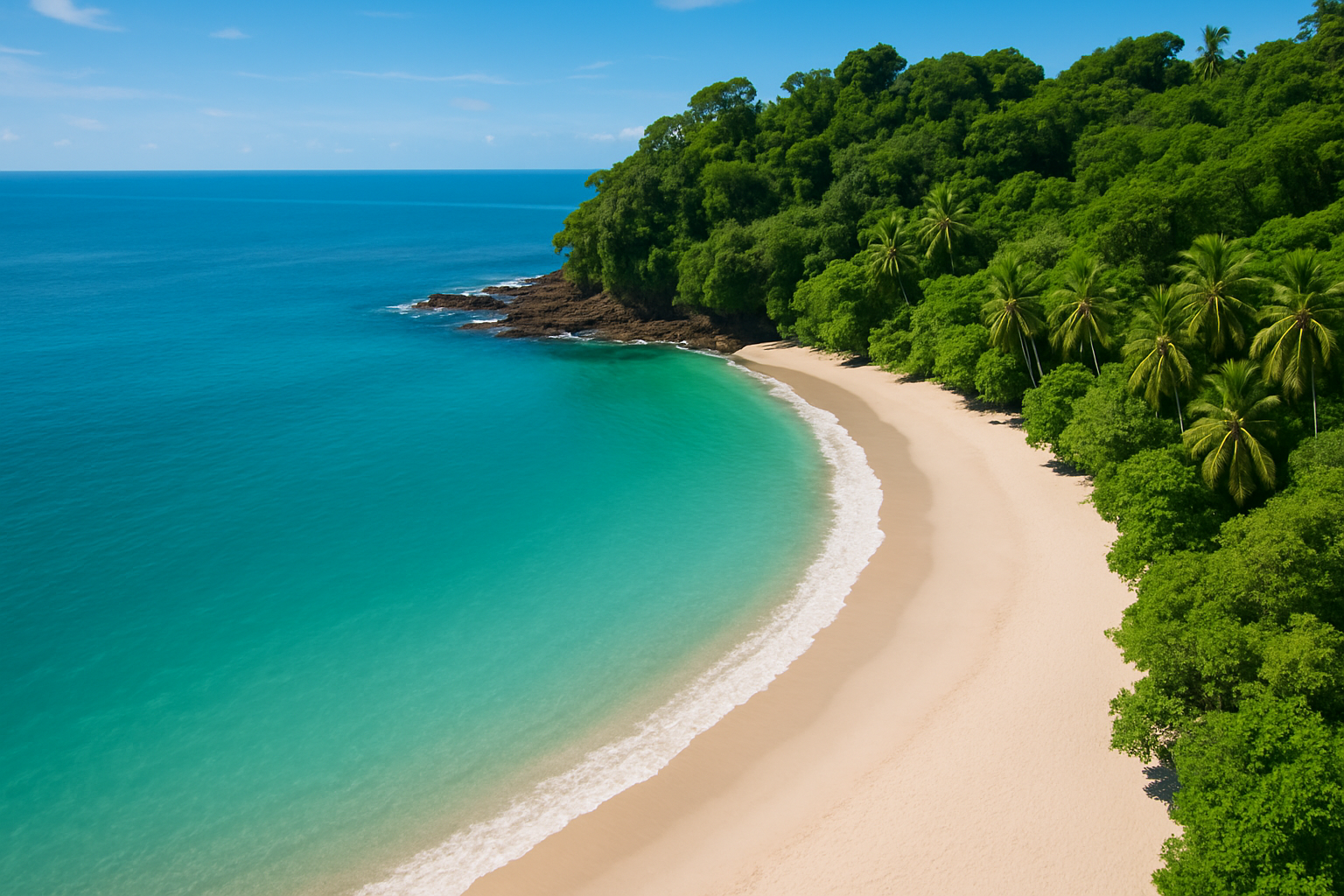
- Swimming Safety: This is probably the calmest water on this entire list. Seriously. It’s very protected by the bay. Great for paddleboarding too. Heads up: you might see some small fishing boats, but they’re usually slow and far out.
- Crowd Level: It’s a residential beach, so you’ll see local families and expats who live in the area. It’s relaxed, never too crowded, and definitely not a party scene.
- How to Get There: Easy paved access from Flamingo, just a few minutes north. Plenty of parking along the beach road.
- Insider Tip: Grab a cold beer or a fresh fruit smoothie from one of the small beach bars, like Las Brisas, right on the sand. The prices are reasonable for beachside drinks (around $4-$6 for a beer as of 2026), and the vibe is chill. There’s also a small market near the soccer field where you can stock up on essentials at local prices.
Potrero is a truly underrated gem for families. It’s quiet, safe, and just genuinely pleasant. Period.
The Party Animal: Playa Tamarindo
Alright, Tamarindo. What can I say? It’s the most famous, most developed, and usually the most crowded beach town around. If you want nightlife, lots of restaurants, and a bustling vibe, this is it. It’s a surf town at its heart, but it’s grown into a big tourist magnet.
- Swimming Safety: The main beach is generally okay for swimming, but it’s also a major surf spot. Watch out for currents, especially around the river mouth. It’s great for beginner surf lessons, though. But fair warning: it can get pretty murky after a heavy rain.
- Crowd Level: Packed. Always. Seriously, expect crowds, especially in high season. It’s a mix of surfers, families, backpackers, and everyone in between. If you want peace and quiet, this isn’t your spot.
- How to Get There: Easiest access, paved roads all the way. Parking can be a nightmare though, especially near the main drag. Expect to pay $5-$10 for a guarded spot, or search for free street parking a bit further out.
- Insider Tip: Want to surf but avoid the absolute chaos? Book a lesson for early morning, like 7 AM. The waves are often smoother, and the crowds of learners (and instructors) are way less intense. And grab a fresh fruit smoothie from one of the vendors on the street, they’re usually cheaper and tastier than the restaurant ones.
Tamarindo is fun for a night out or if you’re learning to surf, but honestly, as a beach itself, it’s pretty overrated. The vibe is cool, but the beach can be a bit ‘meh’ compared to others on this list.
Turtle Time & Serious Surf: Playa Grande
This beach is a big deal because it’s part of Marino Las Baulas National Park, famous for its nesting Leatherback sea turtles from October to March. And for surfers, it’s got some serious waves.
- Swimming Safety: Big waves and strong currents are common here. This is a serious surf beach. I wouldn’t recommend casual swimming unless you’re a very strong swimmer and know how to handle rip tides. It’s generally best for experienced surfers. Heads up: the waves can be huge.
- Crowd Level: Surf crowds during the day, especially when the swells are good. At night, during turtle season, you’ll see groups doing guided tours to watch the turtles nest. It’s not a sunbathing beach for most people.
- How to Get There: You can drive north from Tamarindo, around the estuary (about a 15-20 minute drive, mostly paved but some rough patches). Or, the cool way: take a small boat taxi across the estuary from the north end of Tamarindo. It costs about $1-$2 per person as of 2026 and takes a couple of minutes. Just check the tide schedule, as they don’t operate at very low tide.
- Insider Tip: If you’re coming for the turtles, book a guided tour *in advance*. You can’t go on the beach at night during nesting season without a certified guide, and spots fill up quickly. And remember, no flashlights or bright lights on the beach at night!
Playa Grande is crucial for nature lovers and serious surfers. But if you’re looking for a chill swim spot, skip it. It’s beautiful, but it demands respect.
Surf & Lola: Playa Avellanas
Ah, Avellanas. This is another iconic surf beach, famous for its consistent waves and for Lola’s, the restaurant with the giant pig that wanders the beach. It’s got a classic laid-back surf vibe, even though it’s gotten more popular over the years.
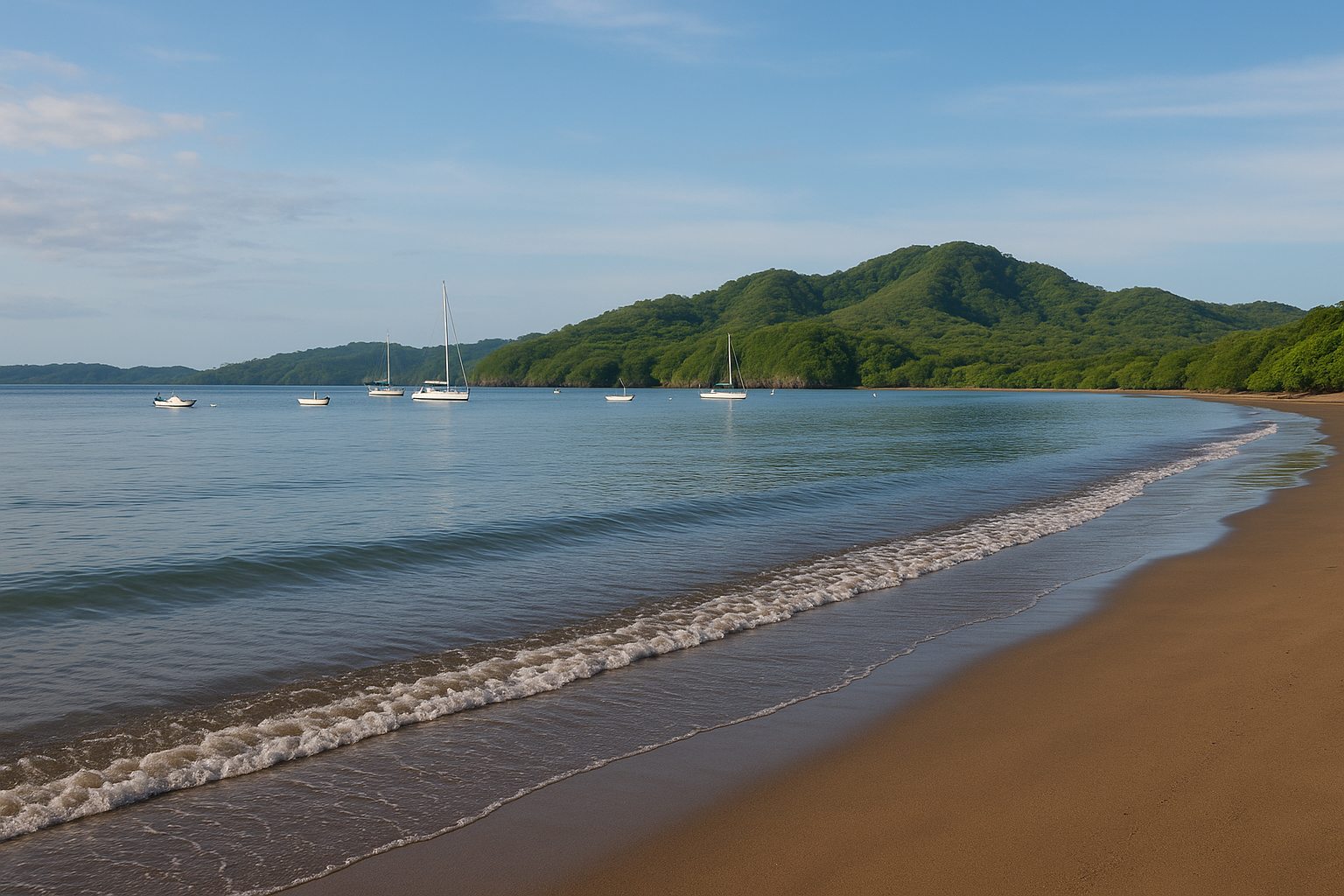
- Swimming Safety: Like Grande, Avellanas has strong waves and currents. It’s a surf beach first and foremost. Casual swimming is possible closer to shore on calm days, but always be aware of the surf. It’s not the safest for little kids unless it’s a super flat day.
- Crowd Level: Definitely a surf crowd. Lola’s can get pretty busy, especially for lunch. The beach itself isn’t usually packed with sunbathers, but there are always surfers out.
- How to Get There: It’s about a 25-30 minute drive south of Tamarindo. The road is mostly dirt, and while a sedan can make it in the dry season, a 4×4 is highly recommended, especially if there’s been any rain. You’ll definitely hit some potholes.
- Insider Tip: Get to Lola’s before 10 AM if you want to snag a good table without a wait. Their ceviche and whole fried fish are legendary, but they do get busy. And yes, Lola the pig (or her descendants) still wander the beach, but don’t try to feed them your lunch.
Avellanas is a total surf pilgrimage. The whole experience, from the bumpy drive to Lola’s, is part of the charm. Don’t miss it if you love surf culture.
The Secluded Gem: Playa Pan de Azucar (Sugar Beach)
This tiny, picturesque cove is often called Sugar Beach, and it’s a little slice of paradise. It’s tucked away, quiet, and absolutely beautiful with its white sand and clear, calm water. One of my favorite spots to just chill.
- Swimming Safety: Super calm and protected water, excellent for swimming and snorkeling. It’s like a natural pool. Fair warning: there are rocks on either side, so watch where you’re treading if you’re snorkeling.
- Crowd Level: Usually pretty quiet. There’s a small hotel right on the beach, so you’ll see their guests, but it rarely feels crowded. It’s definitely for escaping the masses.
- How to Get There: This is where it gets tricky. It’s about a 15-minute drive north of Potrero on a rough dirt road. A 4×4 is pretty much essential. Sometimes the hotel at the end of the road will let you park for a small fee (around $5 as of 2026) or if you buy a drink. Otherwise, you might have to park a little further up and walk.
- Insider Tip: Bring your snorkel gear! The rocks on the edges of the cove are home to some decent fish and coral. It’s not a Caribbean reef, but it’s the best snorkeling you’ll find around here. Also, grab a cocktail at the hotel bar, it’s a great spot.
This is a true hidden gem, period. If you want peace, quiet, and stunning clear water, make the effort to get here. You won’t regret it.
The Village Feel: Playa Danta (Las Catalinas)
Playa Danta is the main beach for the Las Catalinas development, which is this planned walking village that feels a bit like a European town dropped into Costa Rica. It’s very pretty, very manicured, and very focused on active, healthy living.
- Swimming Safety: The bay is quite protected, so the water is usually very calm and safe for swimming. It’s also great for paddleboarding, kayaking, and other watersports.
- Crowd Level: Mostly residents and guests of Las Catalinas, plus day-trippers who come to explore the town and trails. It’s never wildly crowded, but it’s not deserted either. It has a very curated, upscale feel.
- How to Get There: Easy paved access all the way. It’s just north of Potrero. There’s dedicated parking within Las Catalinas, usually paid (around $10-$15 for the day as of 2026).
- Insider Tip: Rent a paddleboard or kayak right on the beach. They have high-quality gear available, and the calm bay is perfect for it. And don’t miss exploring the extensive mountain biking and walking trails that start right from the beach – they offer incredible ocean views.
Danta is beautiful, but it definitely feels a bit “resort-y” and manufactured. If you like everything pristine and organized, you’ll love it. But if you’re looking for rustic charm, it’s a pass.
Truly Remote: Playa Pan de Azucar (The Other One)
Okay, this is sometimes confused with the more accessible Sugar Beach (which is the one with the hotel). This Pan de Azucar is just north of that, and it’s truly remote, usually totally empty. You have to earn this one, but the reward is real solitude.
- Swimming Safety: Generally calm once you get in, but getting in can be tricky due to a steeper shorebreak on some days. There are no lifeguards, obviously, so be careful.
- Crowd Level: Empty. Almost always. You’ll be lucky to see another person, maybe a fisherman. This is for when you want to feel like you have the whole coast to yourself.
- How to Get There: This is the adventure part. You can try driving a very robust 4×4 on an even rougher dirt track past Sugar Beach, but it’s often impassable. The most reliable way is to hike north along the coastline from Sugar Beach, which takes about 20-30 minutes and involves a bit of scrambling over rocks.
- Insider Tip: Bring everything you need: water, snacks, sunscreen. There is absolutely nothing here. No vendors, no bathrooms, no shade. It’s pure, untouched nature, so be prepared. And pack out everything you pack in.
This Pan de Azucar is for the adventurers. If you crave true solitude and don’t mind a little effort, it’s the best. But it’s not for everyone.
Surfer’s Paradise (Experts Only): Playa Negra
Playa Negra is legendary among serious surfers for its consistent reef break. You might recognize it from the movie “Endless Summer II.” It’s not a swimming beach, it’s a *surf* beach.
- Swimming Safety: Don’t try to swim here casually. The currents are strong, the waves break over a shallow, rocky reef, and it’s definitely for experienced surfers only. Fair warning: stepping on the reef is painful, and there’s nowhere safe for kids to play in the water.
- Crowd Level: Dedicated surf crowd. It can get busy in the lineup when the waves are good, but you won’t see families picnicking or sunbathers.
- How to Get There: It’s south of Avellanas, about a 40-minute drive from Tamarindo. The roads are mostly dirt and can be very bumpy, especially the last stretch. A 4×4 is highly recommended, if not essential, in the rainy season.
- Insider Tip: Even if you don’t surf, the restaurant at Hotel Playa Negra (right on the point) has an amazing view of the surf break and really good food. It’s worth the drive just to watch the pros and grab a meal (as of 2026, main dishes usually run $15-$25).
This beach is a legend for a reason. If you’re an experienced surfer, you’ll love it. But if you’re not planning to ride waves, skip it. It’s not worth the drive just for a look unless you’re a serious surf fan.
Beach Comparison at a Glance
| Beach Name | Main Vibe | Swimming Safety | Crowd Level | Best For | 4×4 Needed? |
|---|---|---|---|---|---|
| Playa Conchal | Shells, Clear Water | Generally Calm | Moderate to Busy | Snorkeling, Scenic Strolls | No (park in Brasilito) |
| Playa Flamingo | Posh, White Sand | Very Calm | Moderate | Families, Sunsets | No |
| Playa Brasilito | Authentic, Local Fishing | Okay (watch cleanliness) | Local, Light Tourist | Local Culture, Cheap Eats | No |
| Playa Potrero | Super Calm, Peaceful | Excellent (Lake-like) | Light | Families with Toddlers | No |
| Playa Tamarindo | Busy Surf Town, Nightlife | Moderate (watch currents) | Very Busy | Learning to Surf, Nightlife | No (parking difficult) |
| Playa Grande | Turtle Sanctuary, Big Surf | Dangerous for Swimming | Surf Crowd, Turtle Tours | Experienced Surfing, Turtle Watching | Recommended (or boat taxi) |
| Playa Avellanas | Surf Culture, Lola’s | Dangerous for Swimming | Surf Crowd | Experienced Surfing, Laid-back Vibe | Recommended |
| Playa Pan de Azucar (Sugar Beach) | Secluded Cove | Excellent (Snorkeling) | Light | Quiet Swimming, Snorkeling | Yes |
| Playa Danta | Pristine, Walking Village | Very Calm | Moderate | Paddleboarding, Watersports | No |
| Playa Pan de Azucar (Remote) | True Solitude | Generally Calm (no lifeguards) | Empty | Remote Escape, Hiking | Yes (or hike) |
| Playa Negra | Expert Surf Reef | Extremely Dangerous for Swimming | Expert Surfers Only | Expert Surfing | Highly Recommended |
Your Burning Questions, Answered.
Do I really need a 4×4 for the Guanacaste roads?
Honestly? Yes, you really should consider one, especially if you plan on exploring beyond the main paved roads. In the dry season (December-April), a regular sedan can handle a lot of the dirt roads, but you’ll be slower and constantly worrying about potholes. In the rainy season (May-November), many dirt roads turn into mud pits or get washed out. A 4×4 gives you freedom and peace of mind. Trust me on this.
Is it safe to swim at all the beaches?
Absolutely not. As you’ve read, some beaches like Playa Grande, Avellanas, and especially Playa Negra have very strong currents and big waves, making them dangerous for casual swimming. Always check local conditions, and if you see warning flags or signs, heed them. If in doubt, stick to calmer spots like Potrero, Flamingo, or Sugar Beach. And never swim alone, especially after a few Imperials!
What’s the best time of year to visit for beaches?
The “dry season” from December to April is the most popular. You’ll get almost guaranteed sunshine, low humidity, and calm seas. It’s also the busiest and most expensive time. The “green season” (May-November) has daily afternoon rains, but mornings are often sunny and beautiful. The rain keeps things lush and green, crowds are smaller, and prices drop. Plus, the sunsets are usually epic after a rain shower. I prefer the shoulder months, like May or November.
Can I find cheap food near the beaches?
Totally! While touristy areas like Tamarindo have plenty of pricier restaurants, you can always find good, cheap local food if you know where to look. Head to the “sodas” (small local restaurants) in towns like Brasilito or Potrero. You can get a huge, delicious casado for $5-$7 as of 2026. Look for places packed with locals, that’s usually a good sign. And don’t be afraid to try street vendors for fresh fruit or empanadas.
Need More Local Intel?
This is just scratching the surface, but it should get you started. If you want more personalized recommendations, tips on activities, or just a friendly local to point you in the right direction for anything from surf lessons to fishing charters, don’t hesitate to reach out.
Hit up my concierge page here!
Planning more of your trip? See our full guide to beaches around Tamarindo and the gold coast.
We Will Plan and Book It For You. Free.
Skip the tourist traps and the language barrier. Tell us your dates and what you want to do. We line up the charters, tours, chef, carts and rentals with operators we know personally. No markups, no fees to you.
Get Your Free Plan