·
Updated 2026
·
Guanacaste, Costa Rica
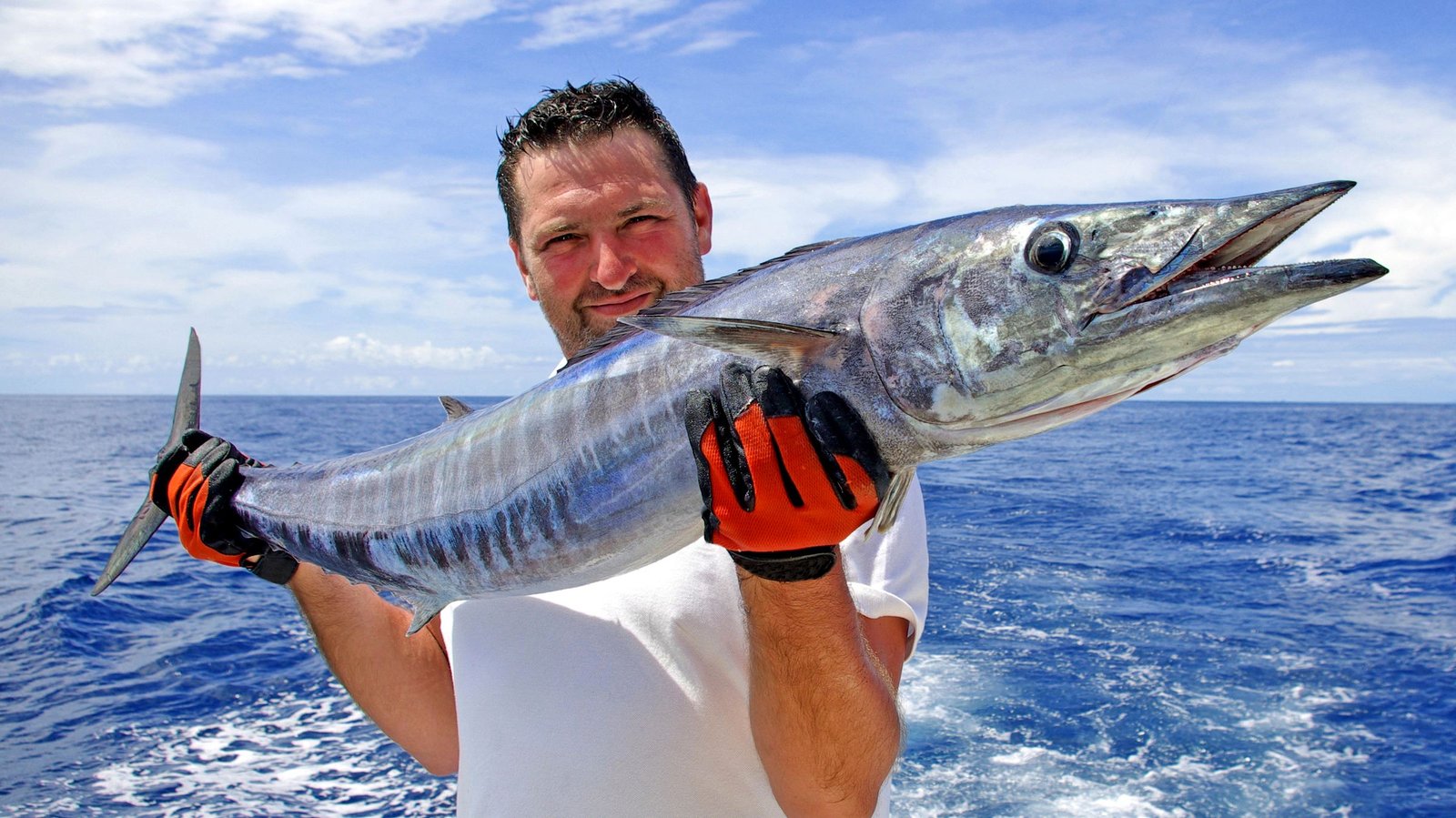
The Pacific water off Guanacaste is some of the most productive deep sea fishing ground in the world. Sailfish strikes within an hour of leaving the dock. Marlin pulling drag through the green season. Roosterfish on light tackle that will break your heart. This is the complete 2026 guide to Costa Rica deep sea fishing on this coast – and how we make the booking part painless.
Deep sea fishing in Costa Rica means running 12 to 30 miles offshore from the Pacific coast – typically from Guanacaste, Quepos, or Los Suenos – to target billfish (sailfish, blue marlin, black marlin), dorado, yellowfin tuna, and wahoo. The country is consistently ranked among the top three sailfish destinations in the world by the IGFA, with year-round action and three hundred plus release days per season on the best boats.
Why Guanacaste is a world-class deep sea fishery
The continental shelf drops off fast on this stretch of coast – deep, blue, billfish water within fifteen to twenty-five miles of every dock. Add the calm Pacific mornings, year-round warm water, and a current line that funnels bait north every spring, and you have one of the most reliable sailfish fisheries on the planet.
The towns of Tamarindo, Flamingo, Brasilito, and Playas del Coco have built their fleets around it. There are more sportfishing captains here than anywhere else in Costa Rica – which is the upside, and the problem. The boats are not all the same. Choosing the right one is the difference between a great day and a wasted morning.
Guanacaste vs Quepos vs Los Suenos: which is best?
Costa Rica has three world-class sport fishing regions. Travelers often weigh them against each other – here is the straight comparison.
Our take: for first-time deep sea fishing in Costa Rica, Guanacaste wins on access, dry weather, and pairing fishing with beach days. If you are chasing tournament-grade marlin and only fishing, Los Suenos or Quepos pull ahead.
What you can catch
Eight headline species do the heavy lifting on this coast – five offshore (the deep sea fishing targets), three inshore. Most full-day deep sea fishing trips put you on at least three of them.
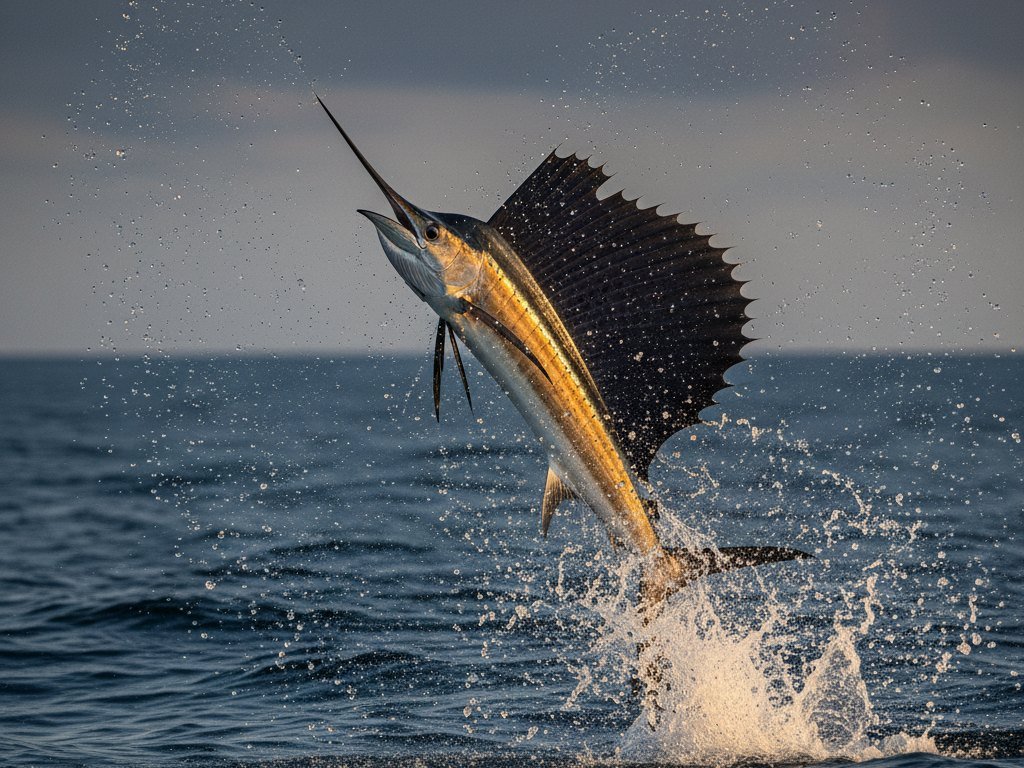
Pacific Sailfish
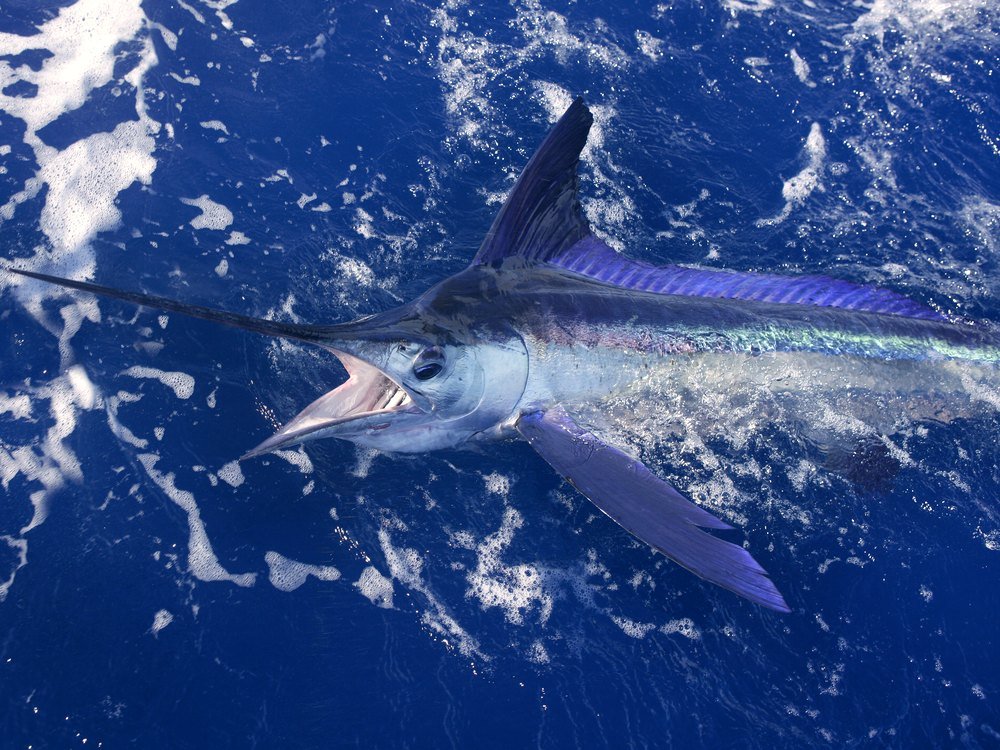
Blue Marlin
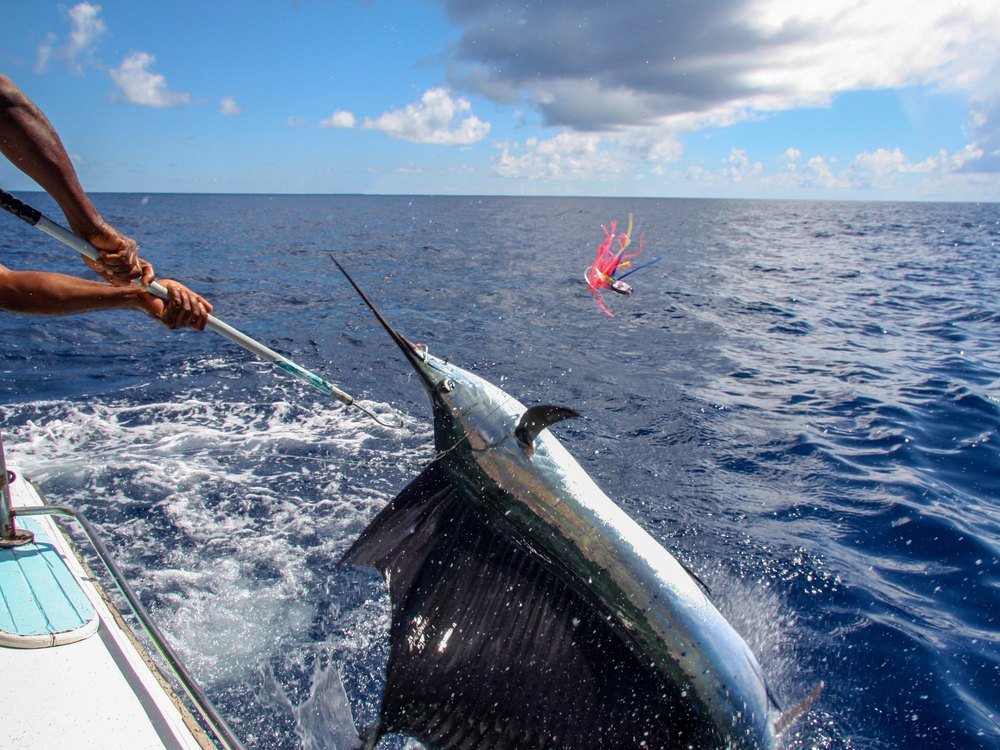
Black Marlin
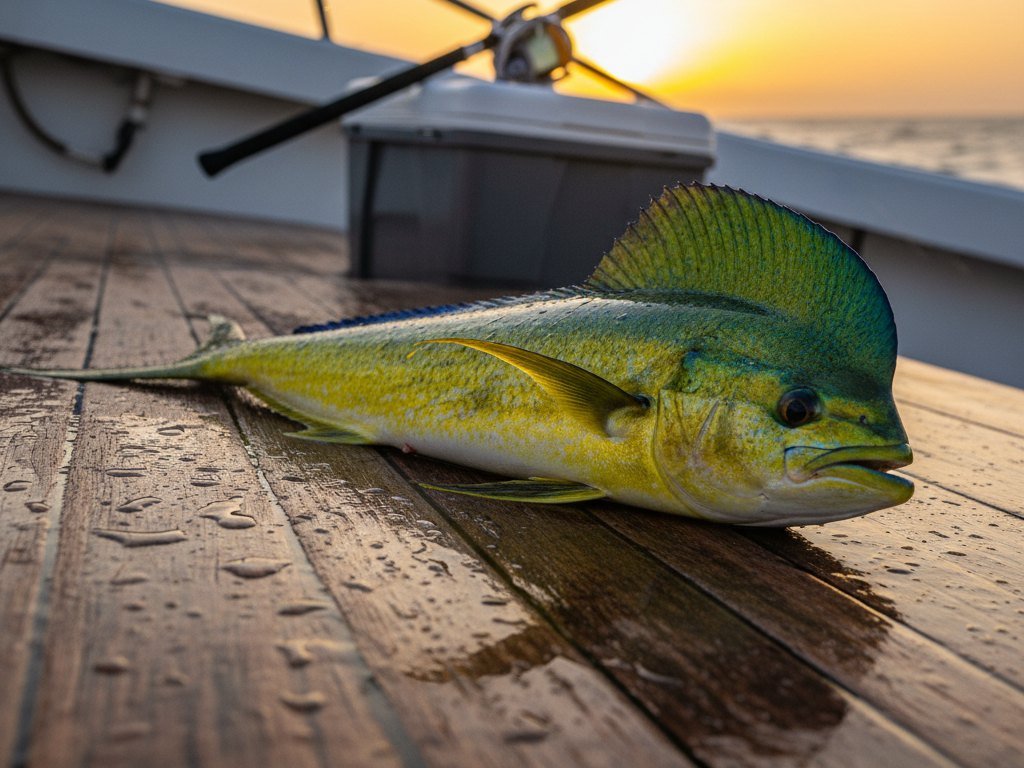
Mahi-Mahi (Dorado)
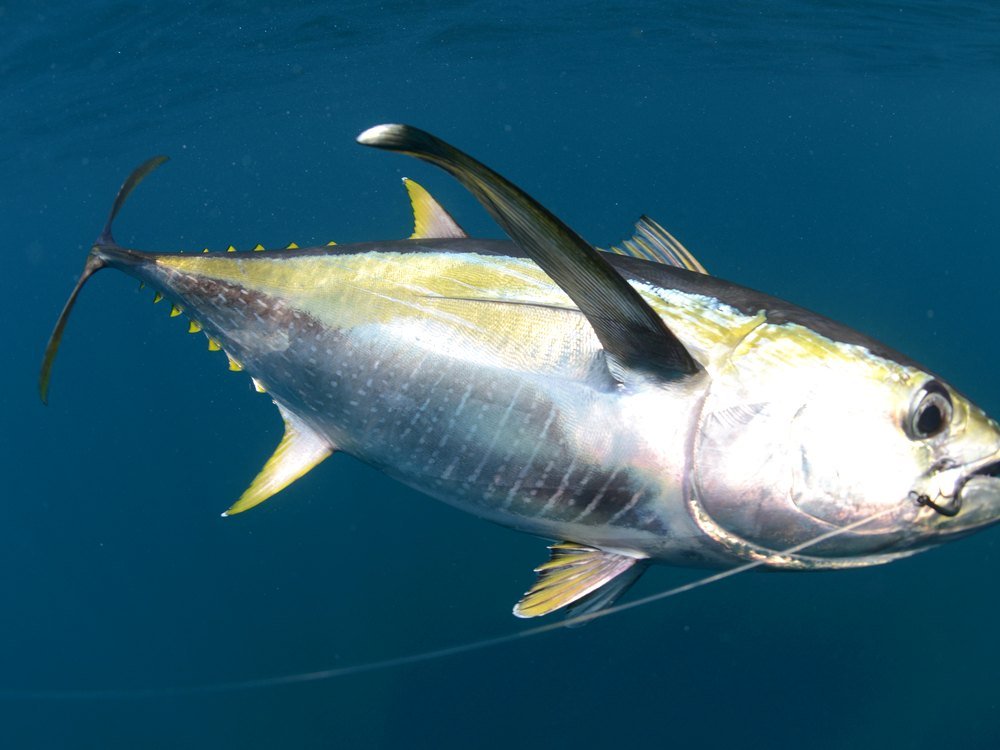
Yellowfin Tuna
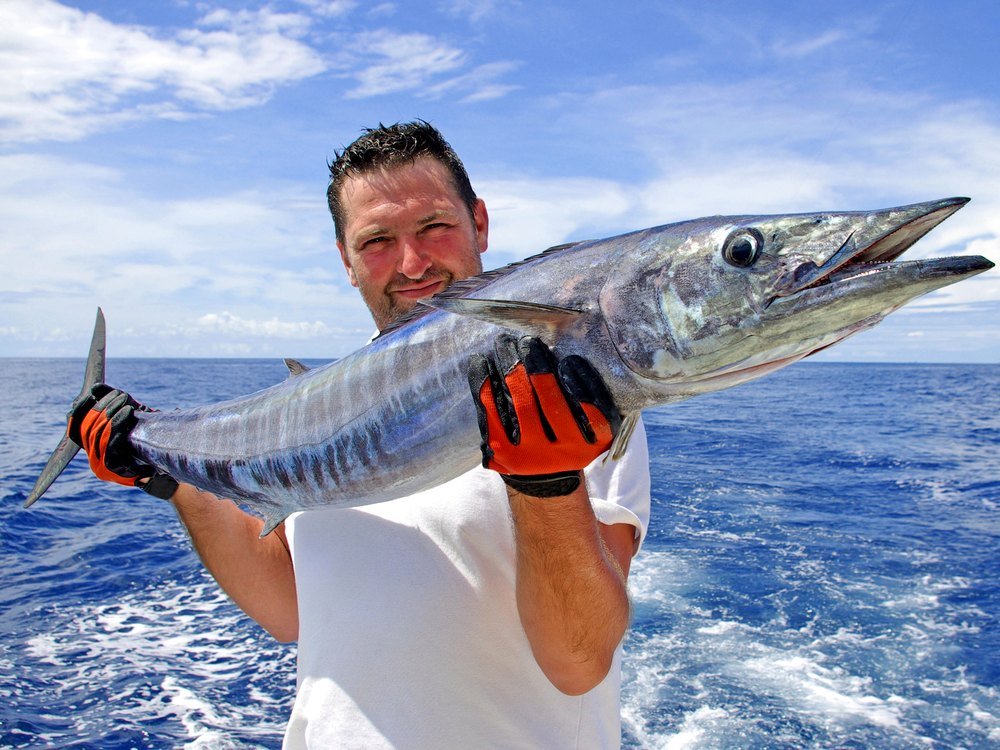
Wahoo
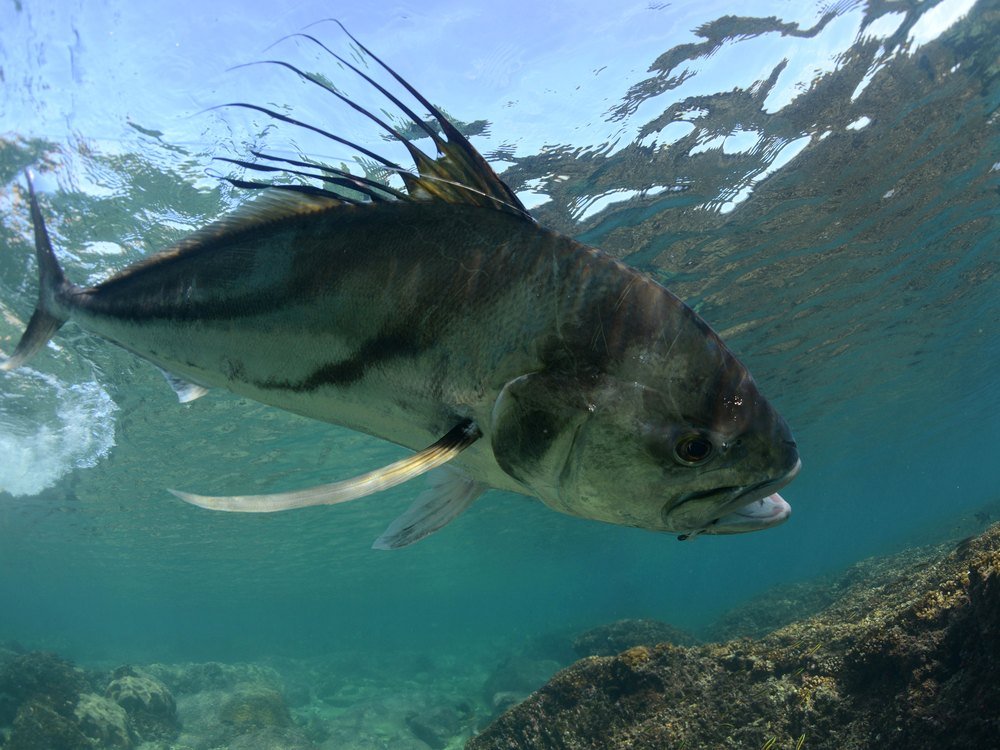
Roosterfish
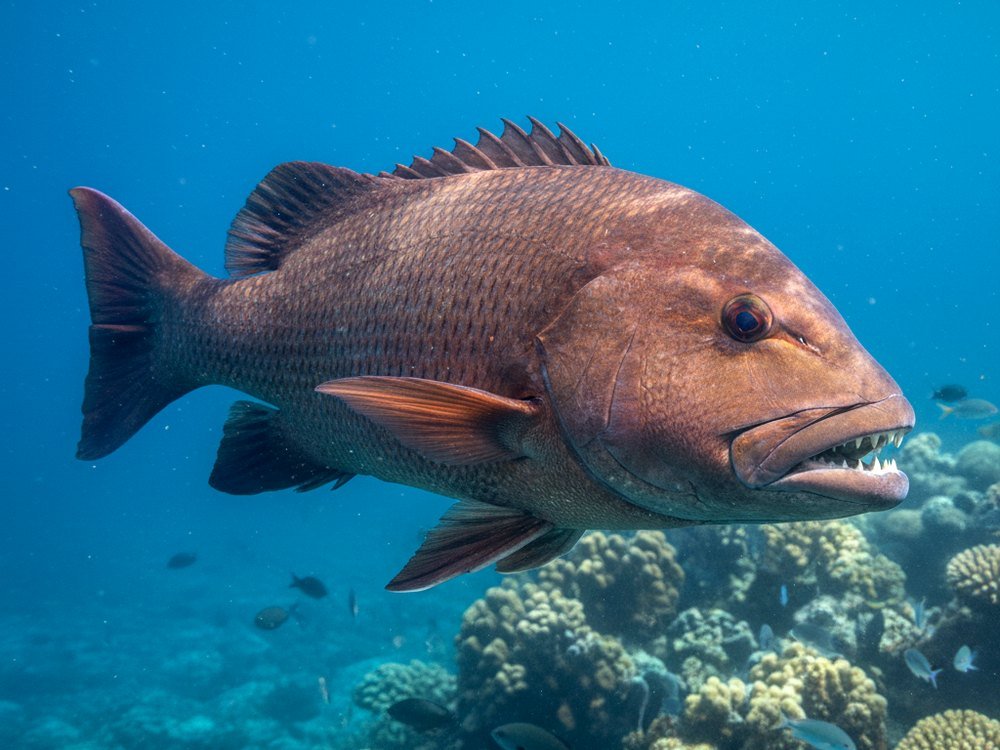
Cubera Snapper
Best months for deep sea fishing in Costa Rica, by species
There is no bad month – but the species that fires varies through the year. Use the heatmap to plan around the fish you most want to catch.
| Species | J | F | M | A | M | J | J | A | S | O | N | D |
|---|---|---|---|---|---|---|---|---|---|---|---|---|
| Pacific Sailfish | ★ | ★ | ★ | • | · | · | • | ★ | ||||
| Blue Marlin | · | • | ★ | ★ | ★ | ★ | • | · | ||||
| Black Marlin | · | • | ★ | ★ | ★ | • | ||||||
| Dorado (Mahi) | • | • | • | • | ★ | ★ | ★ | ★ | ★ | ★ | • | • |
| Yellowfin Tuna | · | • | ★ | ★ | ★ | ★ | • | · | ||||
| Wahoo | ★ | ★ | • | • | · | · | • | ★ | ||||
| Roosterfish | • | • | • | • | ★ | ★ | ★ | ★ | ★ | ★ | • | • |
Inshore vs offshore: which to pick
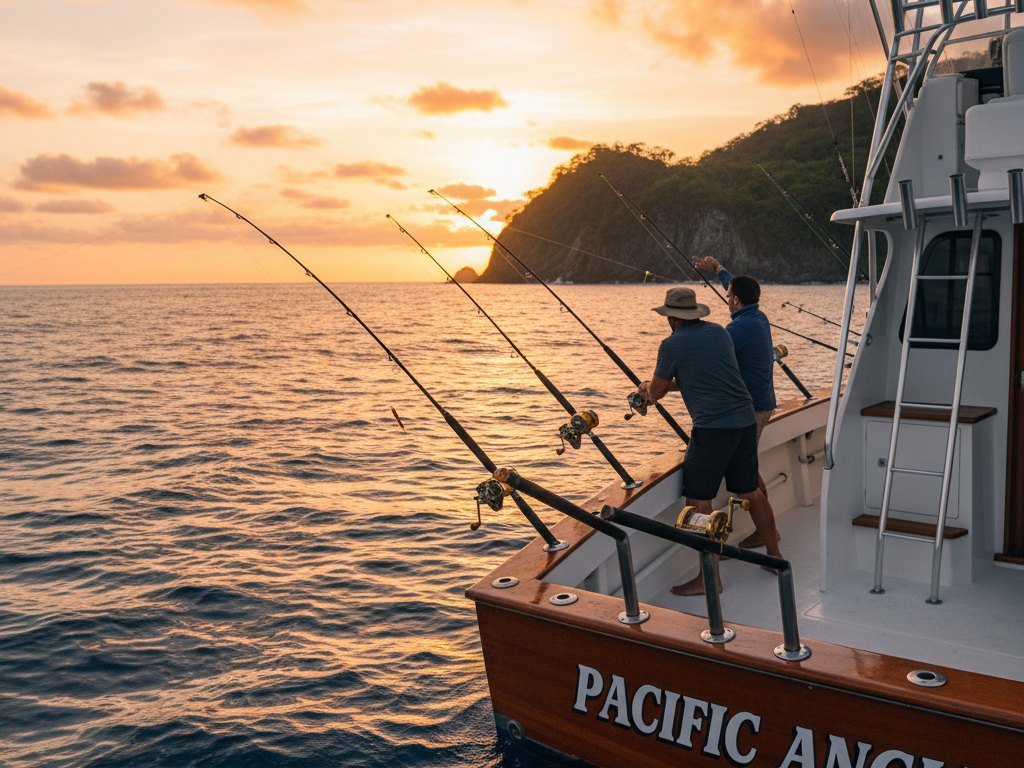
Where to fish from in Guanacaste
Four main deep sea fishing ports on this stretch of the gold coast. Each has its own fleet, vibe, and access to the grounds. We pick the right one based on where you are staying and what you want to target.
Coming soon
Costa Rica deep sea fishing tournaments
Costa Rica hosts some of the biggest billfish tournaments in the world. If you are planning a fishing trip, knowing what is happening when can save you a lot of money on charters (tournament weeks book out fast, prices spike).
- Los Suenos Triple Crown (Jan – Mar, central Pacific) – the biggest billfish tournament series in the country.
- Pelagic Rockstar Offshore Tournament (Feb – Mar, Los Suenos) – one of the richest marlin and sailfish purses in Costa Rica.
- Quepos Billfish Cup (Mar – Apr, Marina Pez Vela) – elite sailfish numbers.
- Marina Papagayo events (Guanacaste, varies) – newer scene, easier to land a boat on short notice.
Want this trip without the planning work?
Tell Jenny and her small local team what you have in mind. They plan and book the whole thing, with no booking fees.
What is included on a charter
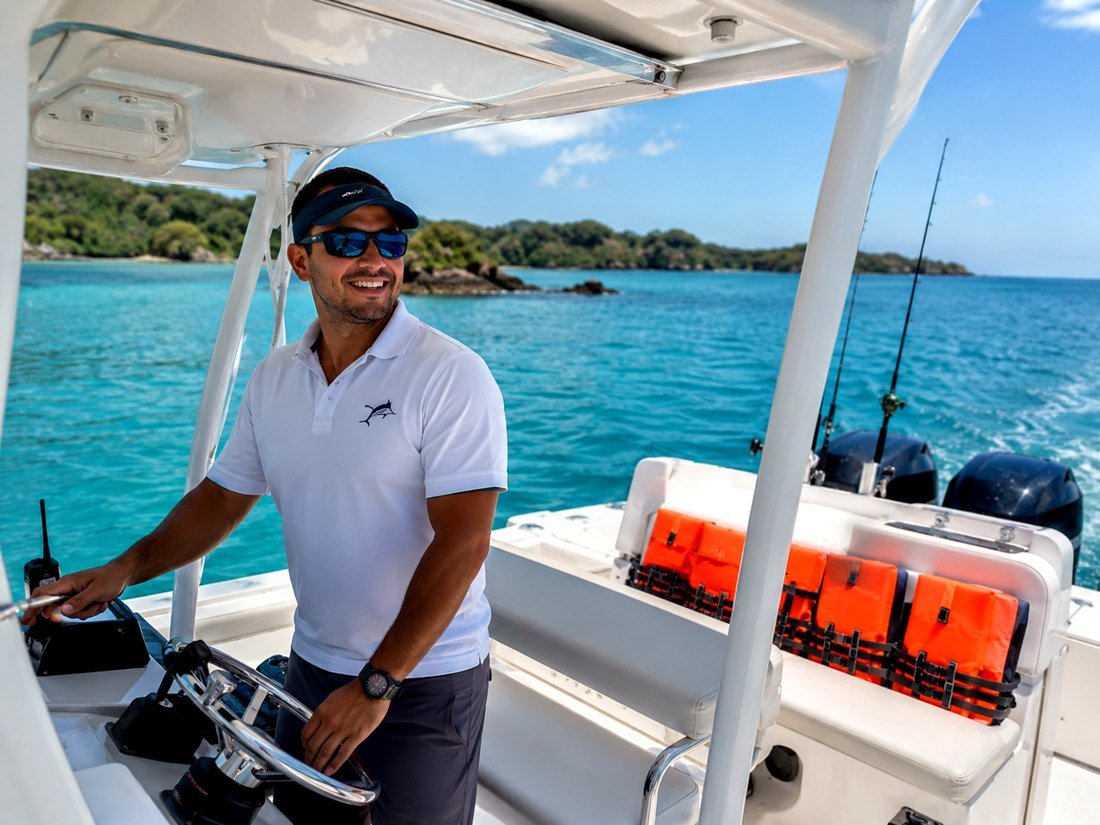
- ✓Boat, fuel, captain, and mate(s)
- ✓All rods, reels, and terminal tackle
- ✓Bait, teasers, daisy chains, and offshore lures
- ✓Cold water, soft drinks, beer on most boats
- ✓Lunch and snacks on full-day trips
- ✓Filet service back at the dock
- ✓Coolers and ice for any fish you keep
- ✓Costa Rica fishing license (sometimes added as a small fee)
Boats explained
Boat type drives the price and the experience. The right one depends on what you want to catch, how many of you are going, and how comfortable you want to be.
Panga (22 – 27 ft)
Center-console (28 – 32 ft)
Express sport fisher (31 – 42 ft)
Convertible (44 – 58 ft)
Fishing license & catch-and-release rules
License: Every angler on a charter needs a Costa Rica tourist fishing license, issued by INCOPESCA (the national fisheries authority). It is roughly fifteen US dollars for eight days. Most operators add it to the charter price or pick it up for you at the dock.
Catch and release: Costa Rica law – the 2009 Sport Fishing Law, Ley 8436 – requires that all billfish (sailfish, blue marlin, black marlin, striped marlin) be released, with no exceptions. Roosterfish is also a designated game fish and must be released. Every legitimate captain on the coast takes this seriously.
What you can keep: Dorado, yellowfin tuna, wahoo, and most inshore species (snapper, jack, snook) are yours to keep. The mate fillets your catch at the dock – take it back to your villa and have the chef cook it that night.
How to choose a Costa Rica deep sea fishing charter
- Book early. Peak sailfish months (January through March) sell the best boats out 60 to 90 days ahead.
- Sailfish and marlin are released by law – bring a GoPro or waterproof phone case for the leader shot.
- Mornings are glass calm. Deep sea fishing boats leave at sunrise (6 AM) for a reason.
- Tip the mate 15 to 20 percent of the charter price in cash at the end. They do the real work.
- Take motion-sickness medication the night before AND the morning of – too late once you are out there.
- Half-day works for inshore. For deep sea fishing (sailfish, marlin), commit to a full day – transit eats half-day trips alive.
- Fly into Liberia (LIR), not San José (SJO). Guanacaste is 35 to 60 minutes from LIR, four hours from SJO.
What to bring
- ●Reef-safe sunscreen and a long-sleeve UPF shirt
- ●Polarized sunglasses (you will regret skipping these)
- ●Hat with a chin strap
- ●Soft-sole, non-marking shoes
- ●Light wind shell for the run out
- ●Camera or phone in a waterproof case
- ●Motion-sickness meds if you are prone
- ●Cash in USD or colones for the mate tip
Booking through us, vs going direct

The Guanacaste deep sea fishing fleet is huge and uneven. Some boats are immaculate, professional, and worth every dollar. Some are not. There is no Yelp to save you.
Jenny and her local team only book through captains we have personally fished with – vetted boats, licensed and insured crews, and the local pricing tourists never see. The advice is free. The booking is free. If the weather cancels, we handle the rebook. Read why booking with us is free →
Frequently asked questions
What is deep sea fishing in Costa Rica?
When is the best time of year for deep sea fishing in Costa Rica?
What fish can you catch deep sea fishing in Costa Rica?
How much does deep sea fishing in Costa Rica cost?
Do I need a Costa Rica fishing license?
Can I keep the fish I catch?
Half-day or full-day – which should I book?
How far offshore do you go deep sea fishing in Costa Rica?
Is Guanacaste or Quepos better for fishing?
Are kids welcome on a fishing charter?
What happens if the weather is bad?
Do they provide all the gear?
How much should I tip the crew?
Tell us what you want to catch, when you are coming, and how many anglers – we will line up the right deep sea fishing boat for you.