Updated 2026·Guanacaste, Costa Rica
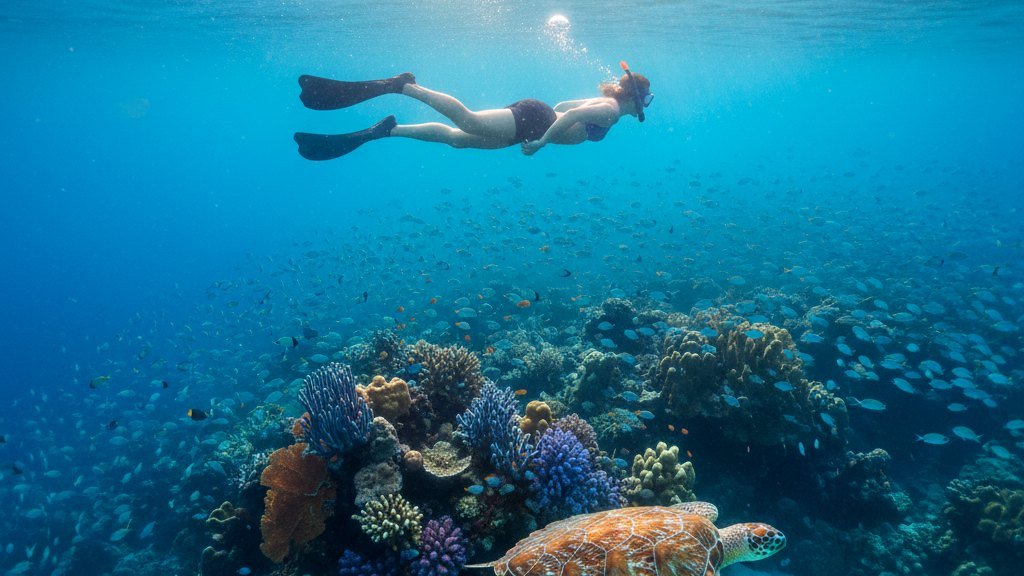
Costa Rica snorkeling and diving off the Guanacaste coast happens at two world-class destinations: the Catalina Islands (30 minutes offshore, all levels, sea turtles and rays) and the Bat Islands (2 hours offshore, advanced divers, Pacific bull sharks year-round). This is the complete 2026 guide to snorkel tours, scuba diving, and PADI courses in Tamarindo, Flamingo, and Playas del Coco – and how we book the right boat for your level.
Costa Rica’s Pacific Guanacaste coast has two main dive destinations – the Catalina Islands (volcanic outcrops 30 minutes offshore, accessible to snorkelers and certified divers, with sea turtles, rays, white-tip reef sharks, and big schools of jacks) and the Bat Islands (2 hours offshore from Playas del Coco, an advanced-only dive site with year-round Pacific bull shark aggregations – one of the marquee dive sites in Central America). Snorkel tours run $50 to $100, dive trips $130 to $300, PADI Open Water certification $450 to $650.
4 ways to snorkel & dive in Costa Rica
Pick by your level, certification, and how much time you have. The Catalinas are the everyday answer; the Bat Islands are the bucket-list day.
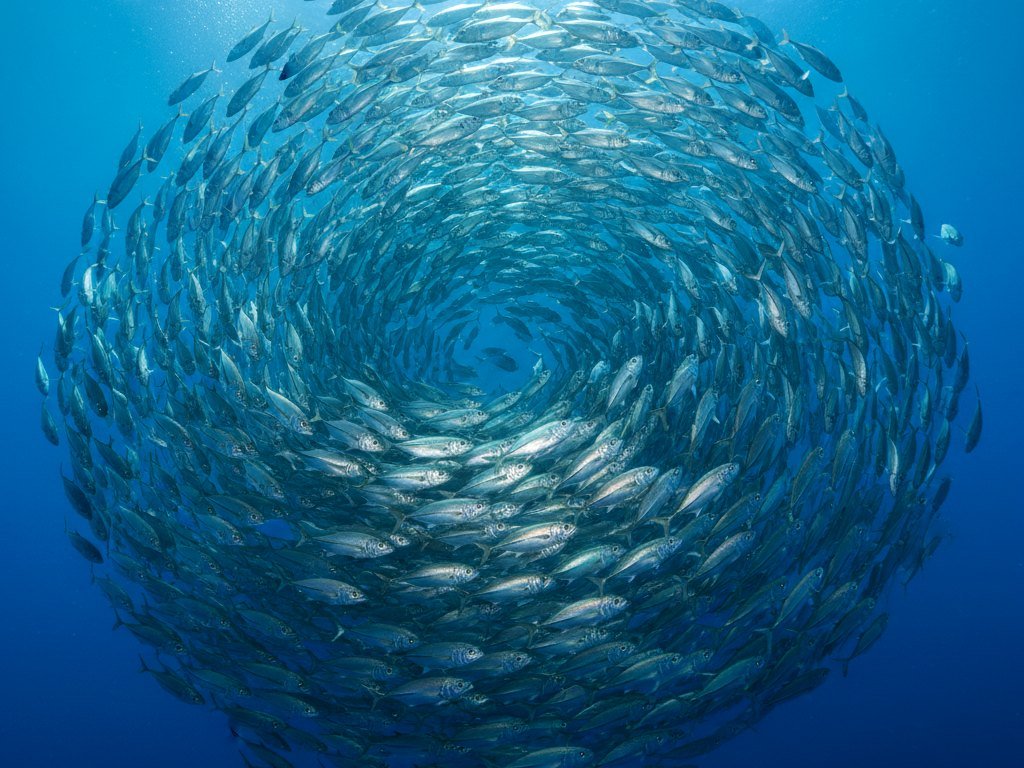
The Catalina Islands: Costa Rica’s closest dive paradise
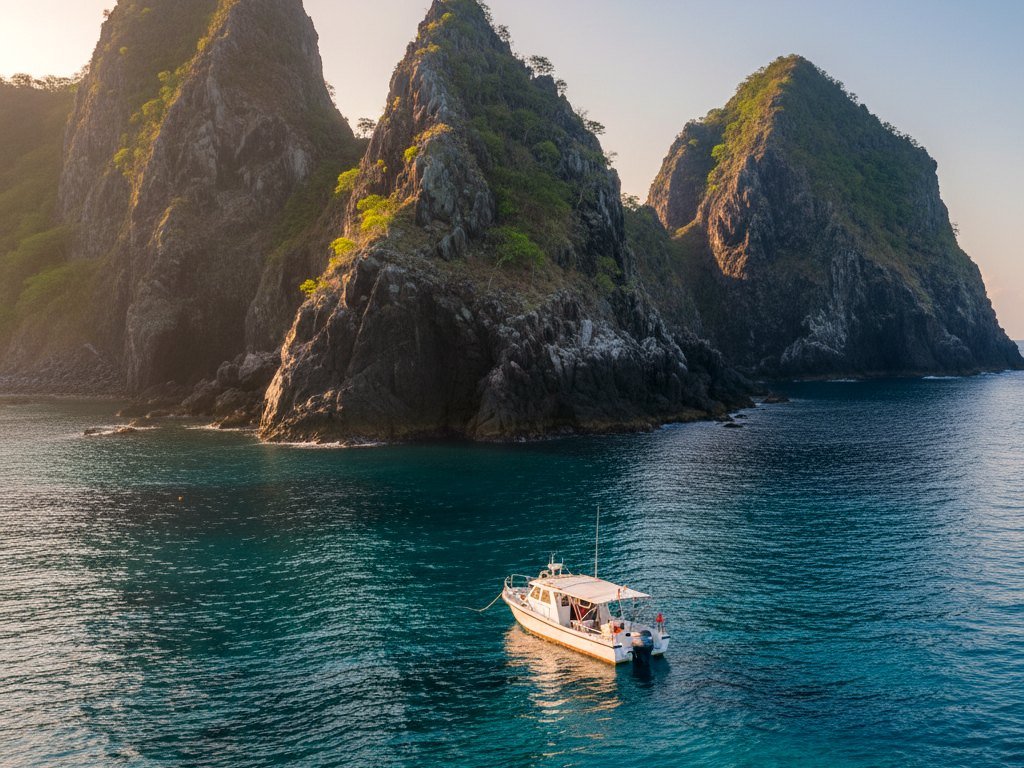
The Catalina Islands are a string of volcanic rock outcrops 30 minutes offshore from Flamingo, Potrero, and Playas del Coco. The most-dived destination in Guanacaste, with multiple sites ranging from 20 to 100 feet. Best visibility December to April (30 to 60 feet); summer plankton bloom drops it to 15 to 30 feet but brings rays and big animals.
Snorkelers can access the shallower Catalina sites (20 to 25 feet) on most dive boats – the boat anchors, snorkelers stay above, divers go below. Boats leave between 7 and 8 am, return by 1 to 2 pm.
The Bat Islands: bull shark diving in Costa Rica
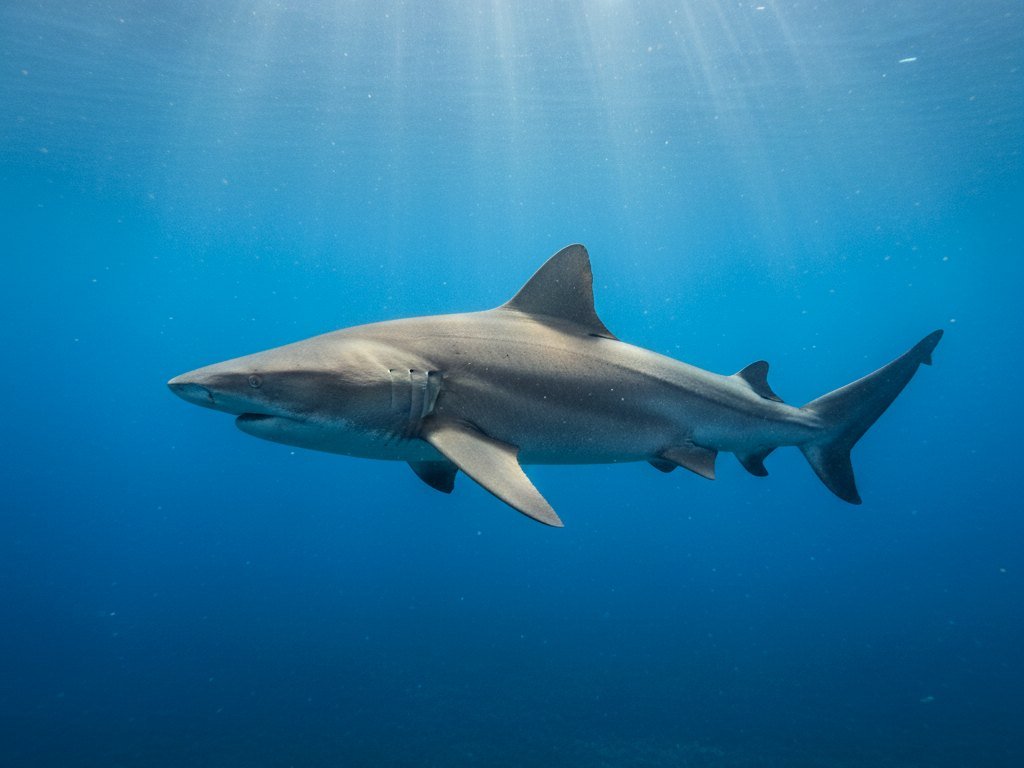
The Bat Islands (Las Islas Murcielago) are 35 miles offshore from Playas del Coco – the northernmost dive site on the gold coast. The marquee site is the “Big Scare,” where Pacific bull sharks aggregate year-round but peak June through October.
Strict requirements: Advanced Open Water certification minimum, 50+ logged dives, and recent dive experience. The currents and visibility shift; boats only run when conditions are right (which is often).
It is a full-day commitment: 6 to 7 am departure, 2-hour boat ride each way, two tanks, return by mid-afternoon. Bring food, sea-sickness medication, and your log book.
Catalina Islands vs Bat Islands: which to pick
The most common question we get from divers planning a Guanacaste trip. Here is the straight side-by-side.
| Catalina Islands | Bat Islands | |
|---|---|---|
| Distance offshore | 30 min | 2 hours |
| Depth range | 20 – 100 ft | 40 – 100+ ft |
| Who it is for | Snorkelers + divers (all levels) | Advanced divers only |
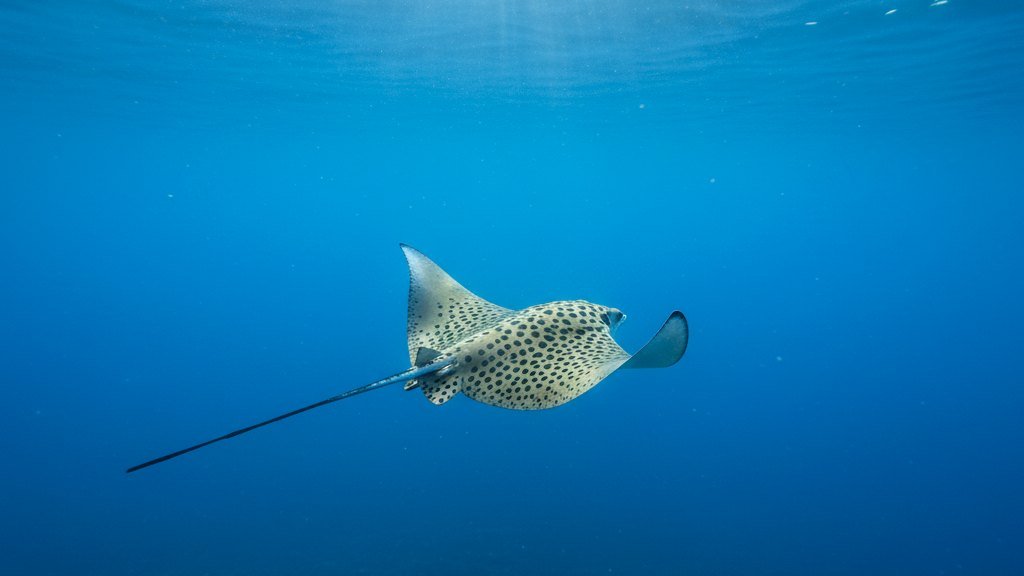
| Marquee marine life | Turtles, rays, schools of fish, white-tip reef sharks | Bull sharks (year-round), mantas (summer), mola mola |
| Certification needed | Open Water (snorkelers welcome) | Advanced + 50 logged dives |
| Price | $50 – $200 / pp | $200 – $300 / pp |
| Trip length | Half-day | Full day |
PADI courses in Costa Rica
Costa Rica is a top destination for getting certified – warm water, calm seas, plenty of reef sites, and bilingual instructors. PADI is the dominant agency on this coast.
Discover Scuba Diving
PADI Open Water Certification
PADI Advanced Open Water
Refresher / Specialty
Marine life: what you will see underwater
The Pacific off Guanacaste runs the full range from reef fish to apex predators. Twelve species you can reliably see or expect:
Want this trip without the planning work?
Tell Jenny and her small local team what you have in mind. They plan and book the whole thing, with no booking fees.
Best season for snorkel & dive in Costa Rica
December – April (dry season): The visibility window. Clear water (30 to 60 ft visibility), calm Pacific mornings, predictable conditions. The standard “I want to see fish and have nice photos” season.
May – November (green season): Visibility drops to 15 to 30 ft as plankton blooms come in. But that plankton brings the big animals – mantas, devil rays, mola mola, and the bull sharks at the Bat Islands peak. The trade-off: less Instagram-perfect photos, way more pelagic action.
Water temperature: 78 to 82F most of the year. Summer thermocline can drop to 68 to 72F at depth – a 5mm wetsuit is worth bringing for Bat Islands or deeper Catalina sites.
Beach snorkel spots near Tamarindo
Playa Conchal – the crushed-shell beach is the closest reliable beach snorkel, with a shallow reef just offshore. Best at high tide. Las Catalinas beach has rocky outcrops at both ends of the cove – decent visibility on calm days. Playa Penca (near Potrero) is a small horseshoe bay with a protected reef. Bring your own mask and fins; or pick up rentals in Tamarindo for $10 to $15 per day.
What to bring
- ●Reef-safe sunscreen (required in Costa Rica marine parks)
- ●Long-sleeve UPF rashguard – protects from sun and stinging plankton
- ●Polarized sunglasses for the boat ride out
- ●Water and a snack (Bat Islands days are long)
- ●Motion sickness meds the night before AND morning of
- ●Your own mask if you wear glasses (prescription rentals are limited)
- ●A waterproof phone case or GoPro for shore-side photos
- ●Dive log book (for certified divers, especially Bat Islands)
Booking through us, vs going direct

Dive operators on this coast range from PADI-certified pros with current insurance and well-maintained gear to fly-by-night outfits with rusty tanks. The Bat Islands trip especially needs an experienced captain and divemaster who reads the conditions.
We book through PADI-affiliated dive shops we have personally dived with – current insurance, recent gear, experienced divemasters who know the sites cold. The advice is free, the booking is free, the prices are local. Read why booking with us is free →
Frequently asked questions
What is the best snorkeling in Costa Rica?
Catalina Islands vs Bat Islands – which should I pick?
Can I scuba dive in Costa Rica as a beginner?
Is Bat Islands shark diving safe?
When is the best time to snorkel and dive in Costa Rica?
How much does a snorkel tour cost in Costa Rica?
Do I need a wetsuit to dive in Costa Rica?
How much does PADI Open Water cost in Costa Rica?
Can kids snorkel in Costa Rica?
Where can I rent snorkel gear in Tamarindo?
Tell us your cert level and what you want to see – we will line up the right boat, divemaster, and site.