Alright, if you’re wondering how to get around Guanacaste, here’s the real deal from someone who lives here, not some tourist brochure filled with pretty pictures and vague advice. Getting around isn’t rocket science, but you’ve got options, and some are way better than others depending on what you’re doing. Let’s break it down.
Golf Carts: Your Local Island Ride (Almost)
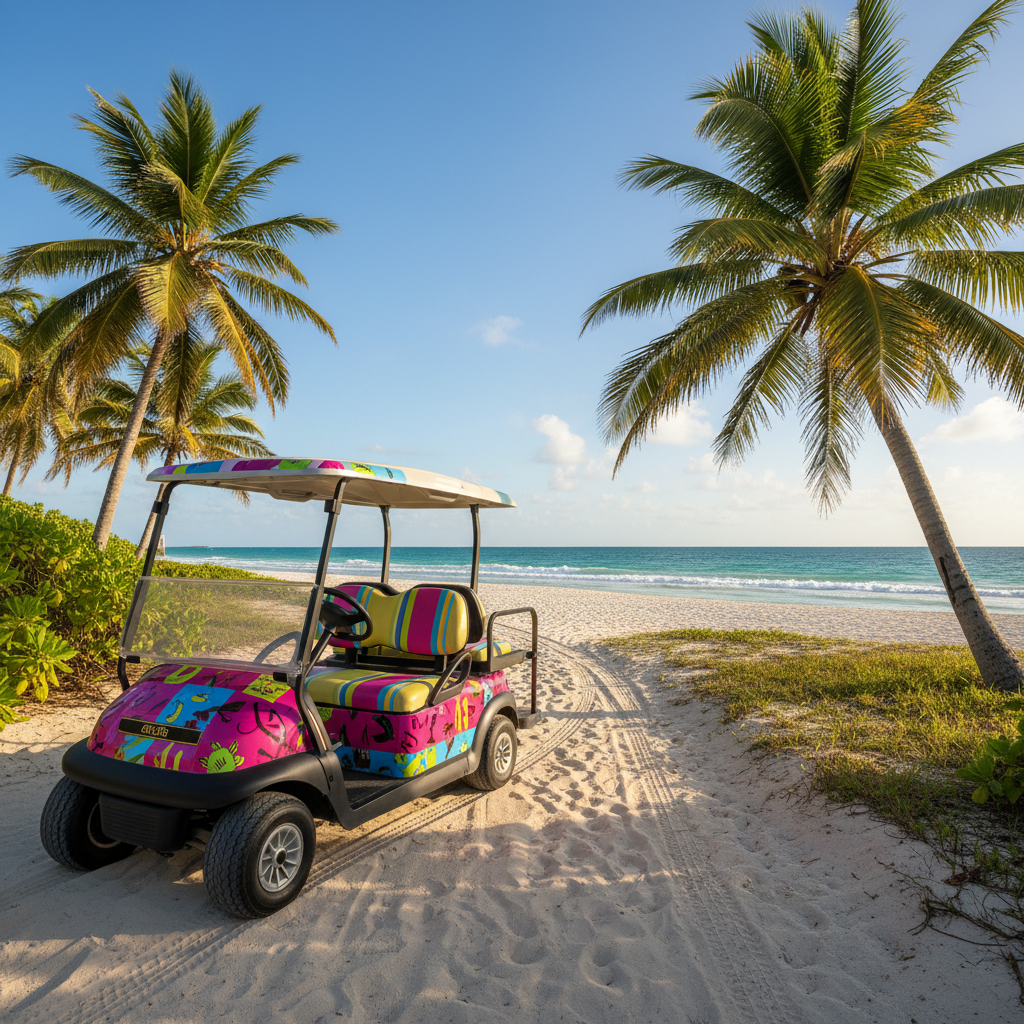
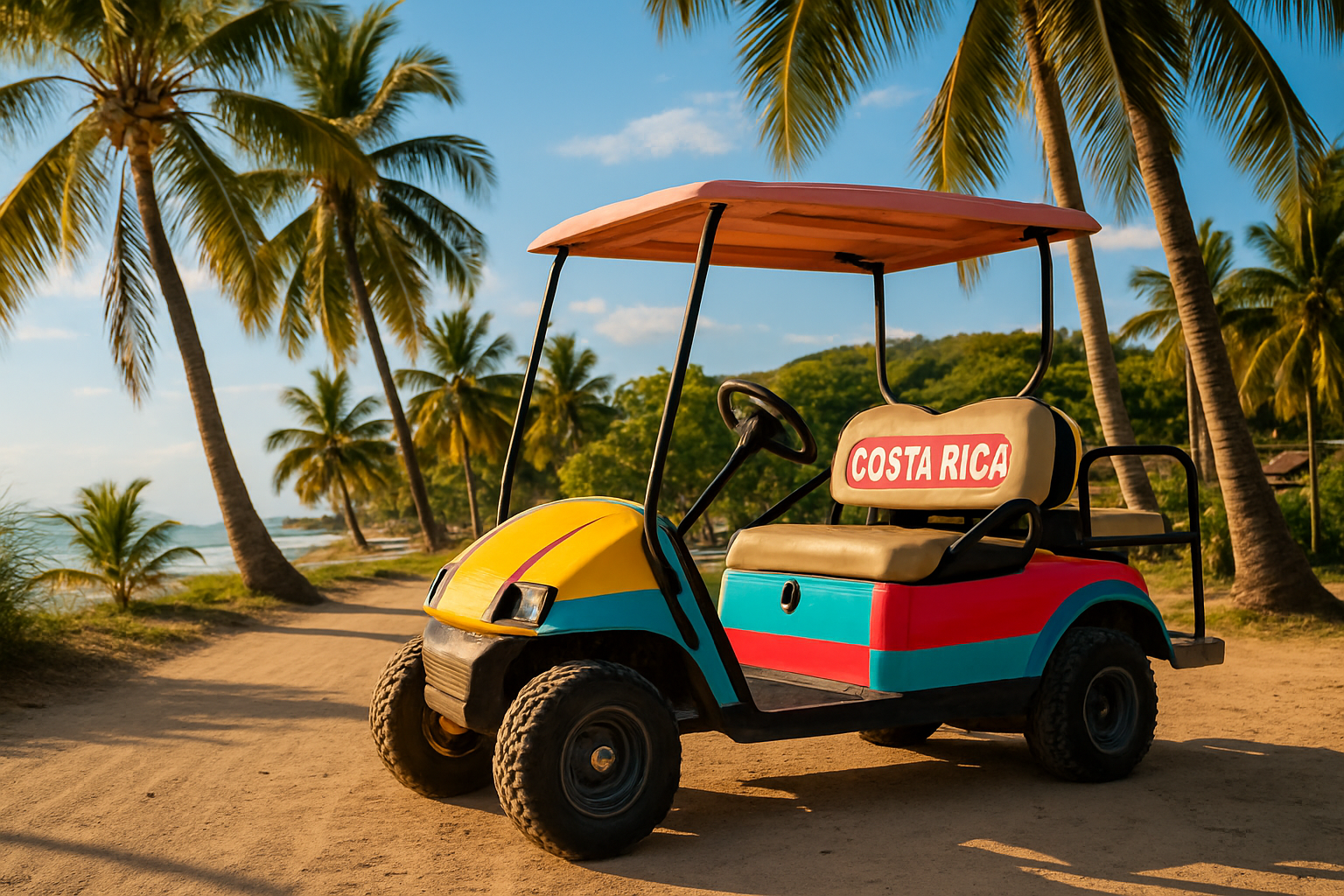
If you’re staying in places like Flamingo, Potrero, or Brasilito, a golf cart is probably your best friend for buzzing around locally. We’re talking short distances here, between beaches, restaurants, and the grocery store. It’s awesome for that.
You’ll typically find them for rent at around $50-$80 a day, or $250-$400 for a week, as of 2026. Prices can fluctuate with demand, especially during peak season, so book ahead. Flamingo Adventures and Rent a Car Playa Flamingo are solid local spots to check out. They’re usually pretty reliable.
Rules: Fair warning: Golf carts are street legal, but *only* on secondary roads. You can’t take them on the main highway, like Ruta 155 between Potrero and Huacas. That’s a huge fine waiting to happen, and honestly, it’s just not safe. They’re too slow. Stick to the beach roads and local streets.
Electric vs. Gas: Most rentals here are electric. They’re quiet and pretty good for the short trips. The downside is range. You’ll need to plug them in every night, especially if you’ve been doing a lot of exploring. Gas carts are rarer but offer more range if you can find one. Honestly, for the area, electric is usually fine unless you plan to do marathon golf carting.
Local Tip: Don’t leave your valuables unattended in a golf cart. It’s an open vehicle, and while these towns are generally safe, opportunistic theft happens everywhere. Keep your phone and wallet on you.
They’re slow, yeah, but that’s part of the charm. You’ll wave at neighbors, smell the salt air, and you won’t be stressed about parking. For beach hopping between Playa Flamingo, Potrero, and Penca, it’s the best, period.
Rental Cars: For Real Exploration
If you plan on actually seeing more than just your immediate beach town – like heading to Tamarindo, Rincon de la Vieja, or even just picking up groceries at Auto Mercado in Huacas – you’re going to need a rental car.
Expect to pay around $40-$60 a day for a standard sedan and $60-$90 for a 4×4, as of 2026. But here’s the catch everyone misses: insurance. Costa Rica mandates local third-party liability insurance. Your credit card’s “rental car insurance” probably doesn’t cover this, and the rental agencies will *insist* you buy theirs, which can easily double your quoted daily rate. It’s not a scam, it’s the law, but it’s a shocker if you’re not prepared. Budget for it.
4×4 vs. Sedan: This is a big one. For *most* paved main roads, a sedan is totally fine. Ruta 155, the main drag between Flamingo/Potrero and Huacas, and then down to Tamarindo, is paved. But the minute you want to explore dirt roads, especially to more remote beaches or if it’s rainy season (May-November), you’ll want a 4×4. The road from Brasilito to Conchal can get rough, and heading towards Las Catalinas from Potrero can be a washboard. If you’re coming in July or August, just get the 4×4. Period.
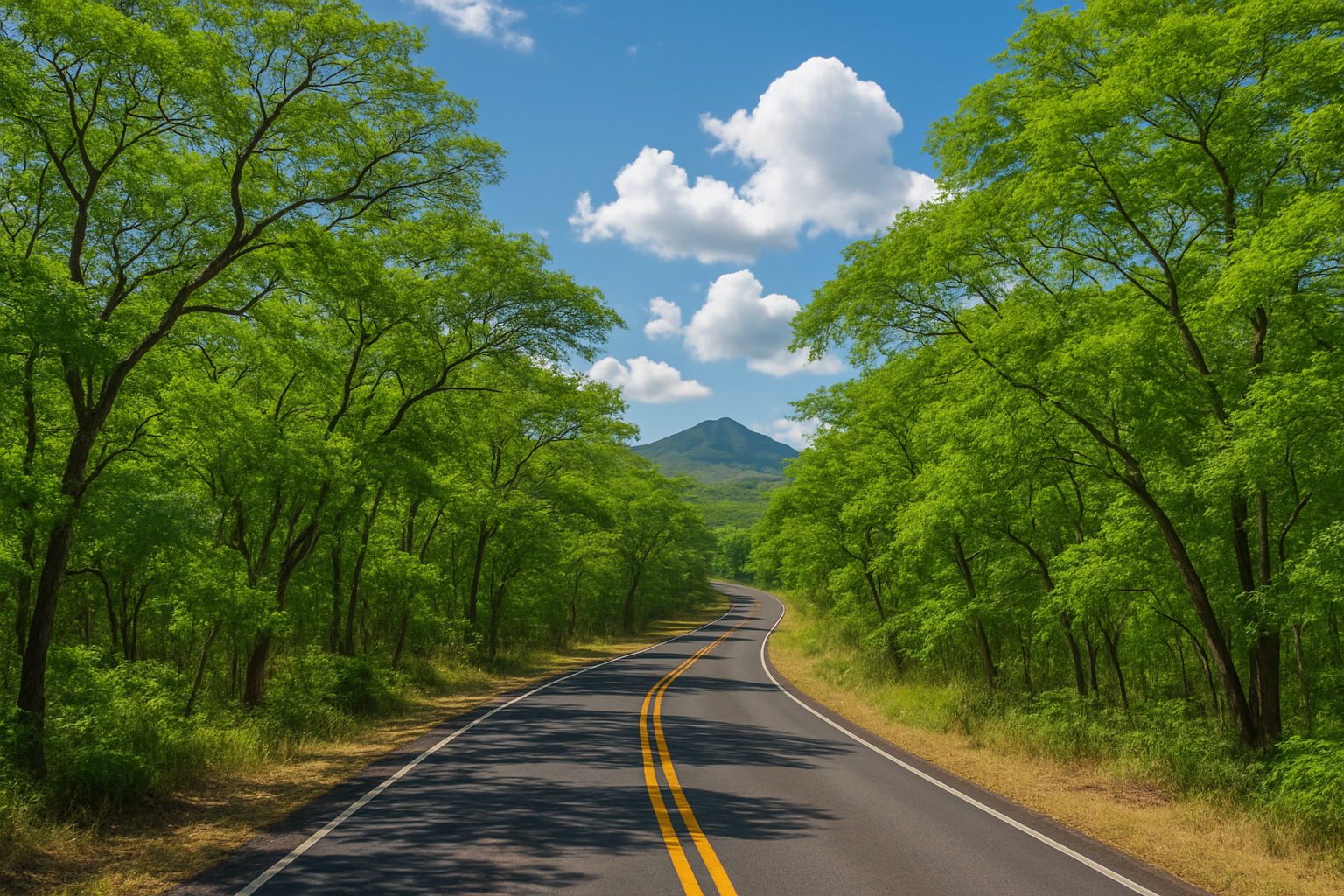
Road Conditions: We’ve got pretty good main highways, like the aforementioned 155 and 21 (which goes to Liberia). But many secondary roads are dirt. And almost everywhere, you’ll encounter *topes* – those massive speed bumps designed to launch your car into orbit if you hit them too fast. Slow down for them. They’re everywhere, even on seemingly deserted roads.
Gas Stations: Heads up: Gas stations aren’t on every corner. In our immediate area, you’ll find them in Huacas and Belen. Plan your trips accordingly. Don’t let your tank get too low, especially if you’re exploring off the main roads.
Night Driving Warning: This is my biggest warning. Don’t drive at night if you can avoid it. The roads often lack streetlights, especially outside of town centers. Potholes are harder to see. Plus, you’ve got people and animals walking on the road, and sometimes, less-than-sober drivers. It’s just safer to stay put after dark or rely on a taxi.
Local Detail: Always use Waze or Google Maps. Waze is often better for real-time traffic, and sometimes it’ll even alert you to speed traps, which are rare but happen. And download offline maps before you head out, just in case you lose signal.
A rental car gives you total freedom. Just be smart about it.
Airport Shuttles (LIR): Get Here Smoothly
You’re probably flying into Liberia (LIR) and want to get to Flamingo, Potrero, or Tamarindo. The drive from LIR to Flamingo is usually about an hour, give or take depending on traffic through Filadelfia.
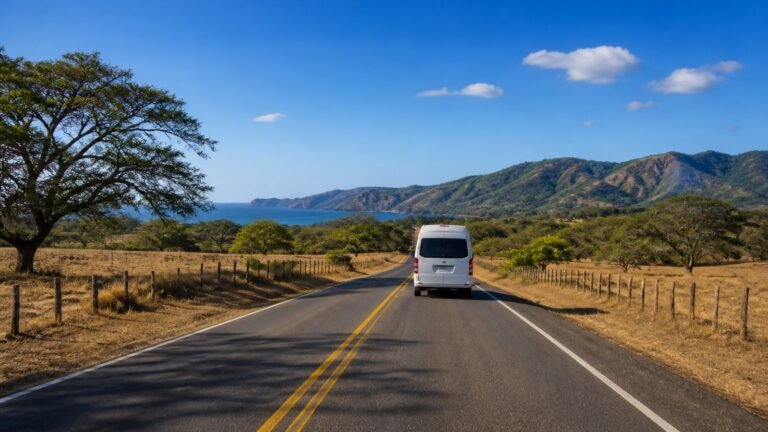
Shared Shuttles: These are the budget-friendly option, typically $25-$40 per person as of 2026. You’ll share a van with other travelers heading in the same general direction. They’re good, but you might have to wait for other passengers, and you could make a few stops before you get to your destination.
Private Shuttles: This is my recommendation if you can swing it. You get picked up right at the airport, and you go straight to your accommodation. No waiting, no detours. They usually cost $50-$90 for the whole van (not per person), as of 2026, depending on the number of people and exact destination. For a family or a small group, it’s often more economical and always more convenient.
Booking: Book your shuttle in advance, especially private ones. Companies like Guanacaste Viajes and Tours or native Way Costa Rica are reliable. Heads up: Don’t just grab the first guy who offers you a ride outside LIR customs. Pre-booking ensures you’re with a reputable company and driver.
Local Detail: Your driver will usually be waiting for you right outside the customs exit, often with a sign with your name on it. It’s super easy. They’ll also typically stop at a grocery store on the way if you ask nicely and aren’t in a huge hurry, which is a lifesaver for stocking up on essentials right when you arrive.
For arrival, an airport shuttle is the way to go. You’ll be tired, and navigating new roads is the last thing you want to do.
Taxis: Local Rides, Local Rules
When you see a red taxi, that’s an official taxi. And they’re generally reliable. But here’s the absolute rule of thumb for this area: Always, *always* agree on the price *before* you get in.
There are no meters in use here in the Guanacaste coastal towns. The driver will tell you a price, you can try to negotiate a little, but once you agree, that’s the price. Don’t be shy about asking. It saves a headache later.
Route
Approx. Distance
Estimated Fare (as of 2026)
Flamingo to Potrero
5 km (3 miles)
$10-$15
Flamingo to Brasilito
7 km (4.3 miles)
$15-$20
Flamingo to Conchal
10 km (6 miles)
$20-$25
Flamingo to Tamarindo
25 km (15.5 miles)
$40-$50
Potrero to Las Catalinas
8 km (5 miles)
$15-$20
Huacas to Tamarindo
15 km (9 miles)
$25-$30
Those are just estimates, so be prepared. And if you have a driver you like, ask for their WhatsApp number. They’re usually happy to give it out, and then you can text them directly for a pick-up later. It’s how a lot of locals and repeat visitors get around.
Uber (and other ride-share apps): Don’t Rely On It
Yes, Uber *exists* in Costa Rica. But no, you shouldn’t rely on it for regular transport around the Guanacaste coast. Especially not in places like Flamingo, Potrero, or Brasilito.
There just aren’t many drivers here. You might open the app and see a car 20 minutes away, only for the driver to cancel because they don’t want to come that far, or they get a better fare. Wait times can be insane, and surges can make it as expensive as a taxi anyway.
Heads up: If you absolutely need to use it, it’s a backup, not your primary mode of transport. Don’t plan your early morning airport run on an Uber pick-up. You’ll miss your flight. Trust me on this.
ATV and Scooter Rentals: For the Adventurous
You’ll see plenty of places renting ATVs and scooters, especially in Tamarindo. These can be fun for exploring, but they come with serious caveats.
ATVs: They’re great for tackling those dirt roads and getting to some hidden spots that even 4x4s might struggle with. They’re usually around $60-$100 a day, as of 2026. But fair warning: they’re not toys. They can be incredibly dangerous on paved roads, especially with traffic, speed bumps, and unexpected potholes. People get hurt on these. Be extremely careful.
Scooters: Cheaper, maybe $30-$50 a day as of 2026, and good for zipping around paved areas. But they’re less stable than an ATV on dirt roads, and even more vulnerable to the uneven road surfaces.
Rules: Always wear a helmet. It’s the law, and it’ll save your life if you fall. Don’t drink and drive these.
Local Detail: If you’re going to rent one, stick to exploring the immediate beach areas on dirt roads where traffic is minimal. Don’t take them on the main highways for long distances. They’re best for short, fun adventures, not serious transportation.
Consider your experience level and the risks before you commit to one of these. Be careful.
Getting Around Guanacaste: Cost Comparison (Daily, as of 2026)
Here’s a quick look at the approximate costs you can expect for different modes of transport. Keep in mind, these are averages and can vary greatly based on season, rental duration, and negotiation skills.
Transport Type
Approx. Daily/Trip Cost
Best Use Case
Pros
Cons
Golf Cart
$50-$80/day
Local beach town travel (Flamingo, Potrero, Brasilito)
Easy to park, fun, good for short hops
Slow, limited range, not for highways
Rental Car (Sedan)
$40-$60/day (plus mandatory insurance)
Exploring paved roads, longer trips
Freedom, comfort for paved roads
Insurance adds cost, not great on dirt, parking
Rental Car (4×4)
$60-$90/day (plus mandatory insurance)
Exploring dirt roads, rainy season, national parks
Access to anywhere, handles rough terrain
More expensive, higher fuel consumption
Shared Shuttle (LIR to Flamingo)
$25-$40/person
Airport transfers on a budget
Cost-effective for solos, easy booking
Less flexible, possible waiting, multiple stops
Private Shuttle (LIR to Flamingo)
$50-$90/van
Direct airport transfers, families/groups
Direct, no waiting, door-to-door
More expensive for solo travelers
Taxi (e.g., Flamingo to Tamarindo)
$40-$50/trip (negotiated)
Point-to-point travel, night outs, local trips
Convenient, reliable, good for specific routes
Can be expensive, must negotiate, no meters
ATV Rental
$60-$100/day
Off-road exploration, short adventurous trips
Fun, good for rugged trails
Dangerous on paved roads, requires caution, helmet needed
Scooter Rental
$30-$50/day
Quick trips on paved roads, solo exploration
Cheap, nimble, easy to park
Unsafe on dirt roads, vulnerable, helmet needed
Do I need a 4×4 in Guanacaste?
It depends entirely on when you’re visiting and what you plan to do. If it’s dry season (December-April) and you’re sticking to the main paved roads and well-maintained dirt roads, a sedan is totally fine. But if you’re coming during rainy season (May-November), or you want to explore lesser-known beaches, national parks with rough access, or just feel more secure, then yes, get the 4×4. The peace of mind is worth the extra cash.
Is it safe to drive at night in Costa Rica?
Honestly, no, not really recommended. The roads are poorly lit, especially outside of town centers. You’ll encounter unlit cyclists, pedestrians, potholes, and animals. And, sadly, some drunk drivers. If you can avoid it, don’t drive at night. Plan your excursions so you’re back at your lodging before sundown, which is usually around 5:30-6:00 PM year-round.
Can I use Uber on the Guanacaste coast?
You can try, but don’t count on it. Uber is officially allowed in Costa Rica, but in this specific area (Flamingo, Potrero, Brasilito, even Tamarindo), driver availability is super low. You’ll likely face long waits, cancellations, or no cars at all. It’s not a reliable form of transport here. Stick to taxis or pre-arranged shuttles.
What’s the best way to get from LIR to Flamingo?
For convenience and efficiency, a pre-booked private shuttle is the best, period. It’s direct, comfortable, and takes all the stress out of arrival. Shared shuttles are good if you’re on a tight budget and don’t mind a bit of a wait or extra stops. Renting a car at LIR and driving yourself is also an option, but you’ll have to deal with paperwork and driving after a flight. My vote is always for the private shuttle to start your trip right.
Are golf carts legal on main roads?
No, absolutely not. Golf carts are only legal on secondary roads and local streets, not major highways like Ruta 155 or Ruta 21. Don’t take that chance. You’ll get pulled over, ticketed, and it’s dangerous. Stick to the local beach roads for your golf cart adventures.
Need More Specific Advice?
This is just a starter guide, but if you want more personalized recommendations or help planning your transport here, I’m happy to help.
Check out my concierge services for customized assistance.
Click here to get started!
Skip the tourist traps and the language barrier. Tell us your dates and what you want to do. We line up the charters, tours, chef, carts and rentals with operators we know personally. No markups, no fees to you.
Every way to get from Liberia Airport to Tamarindo with real 2026 prices: private transfer $90-130, shared shuttle $25-35, rental car, taxi, Uber and the under-$20 bus route, plus drive times and when to book each.
We use a small set of cookies for the site to work and (with your permission) for anonymous Google Analytics. We do not use marketing cookies. See our Cookie Policy and Privacy Policy.
Cookie preferences
Choose which cookie categories you allow. You can change this any time using the “Cookie Preferences” link in the footer.
EssentialRequired for the site to work (session, security). Always on.
FunctionalRemembers your cookie choice so this banner does not reappear.
AnalyticsAnonymous Google Analytics 4. Helps us see what content is useful.
MarketingCurrently unused on this site. You can pre-emptively allow if you want.