Best Time to Fish for Sailfish in Guanacaste
Catching Sailfish Off Guanacaste: My Honest Take on the Best Times
The best months for catching sailfish off the Guanacaste coast are absolutely December through April, period. If you’re planning a trip specifically to hook into one of these acrobats, those are the months you need to target. Anything else and you’re just gambling with your vacation budget.The Sailfish Season: When the Action Heats Up
Our peak season for sailfish here in Guanacaste runs hard from December through April. This is when the offshore currents, combined with the Papagayo winds, create what we call the “Pez Vela Highway” just a few miles out. It’s when the baitfish – sardines, mackerel, small bonita – are moving through in massive schools, and the sailfish are right there with them, feasting. You’re looking at consistent action, sometimes multiple hook-ups in a day. It’s truly incredible. Fair warning: December and January are slammed. Everyone wants to escape the cold back home, so if you want a good boat, you need to book it eight to twelve months out. Seriously, don’t wait. November and May are what I’d call shoulder months. You can still have fantastic days, especially early November or late May, but it’s not the same slam-dunk consistency as the core four months. The fish are there, but maybe not in the same numbers. The weather can also be a bit more unpredictable, with more rain in May as we head into the green season. And in November, the transition from wet season to dry season sometimes means the currents haven’t quite settled into their perfect pattern yet. From June to October, you *can* still catch sailfish, but it’s not what I’d plan a trip around. It’s our green season, so the offshore waters can be a bit choppier, and the main schools of sailfish have often moved further south or are more dispersed. You’ll probably spend more time looking, and your chances drop significantly. You might get lucky, but you’re working a lot harder for it. If you’re coming then, you’re usually targeting other species, like dorado or tuna, which are still around. Here’s a local secret: the Papagayo winds, which blast in from the east during our dry season (roughly November to April), actually push surface water offshore, creating upwellings of nutrient-rich water. This draws in the baitfish, which in turn draws in the sailfish. So, when those winds are blowing, it’s often a good sign for fishing. It might be a bit rougher on the way out, but the fishing can be on fire.Water Conditions: Temperature and Current are Key
Water temperature is a big deal out here. Sailfish prefer water that’s usually between 78°F and 82°F (around 25.5°C to 27.7°C). During the peak months, our offshore waters typically sit right in that sweet spot. If the water gets too cold or too hot, they’ll either move on or go deeper, making them harder to find. But it’s not just temp, it’s also about currents. The Costa Rica Dome, a massive upwelling of cold, nutrient-rich water that comes to the surface about 100-200 miles offshore, is where a lot of this magic starts. It creates an incredible food chain. These currents push baitfish along, and our sailfish follow. The captains are constantly monitoring water temperature breaks and current lines because that’s often where the fish are stacked up. Heads up: occasionally, we get cold water upwellings closer to shore, or a random current shift, that can temporarily push the fish out of an area. It doesn’t happen often during peak season, but it’s part of fishing. Your captain will be looking for those “rips” or current lines where two different water bodies meet; that’s prime hunting ground. A true local tip: good captains will know where the thermocline is. That’s the layer where the water temperature changes rapidly. Sometimes the sailfish will hang right on top of it, or even below it, ambushing bait. It’s not just about surface temperature.Bait Preferences & Fishing Tactics
When you’re chasing sailfish here, dead bait, specifically rigged ballyhoo, is king. It’s effective, fairly easy to acquire, and sails just love it. Most captains will troll a spread of half a dozen or more rigged ballyhoo behind the boat. They’ll vary the size, from small peanuts to horse ballyhoo, depending on what the fish seem to be hitting that day. But sometimes, when the bite is slow or the fish are being finicky, live bait makes all the difference. Bonita, goggle-eyes, blue runners – if the crew can catch them, they’re deadly. There’s nothing like watching a sailfish blow up on a live bait skipping across the surface. Captains also use teasers to get the sailfish excited and bring them closer to the boat. These are hookless lures, like dredges that mimic a school of baitfish or daisy chains of squid, that are trolled behind the boat. The idea is to make the sailfish think there’s a big meal happening, get them fired up, and then switch them over to your hooked bait. It’s an art form to watch a good crew do it. Fair warning: while captains are experts at rigging ballyhoo, sometimes getting live bait takes extra time or isn’t possible, depending on the conditions that day. Don’t expect a guarantee of live bait, but if they get it, it’s a bonus. And a local detail you might not think about: most of the good quality ballyhoo comes from wholesalers who truck it in from places like Puntarenas or even Golfito, so it’s a whole supply chain getting that fresh bait to your boat.Charter Costs & What to Expect from Your Day
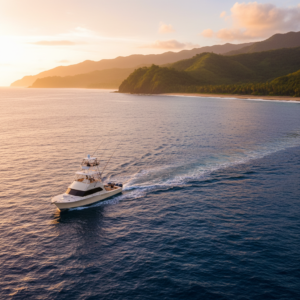
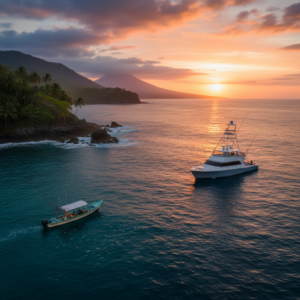
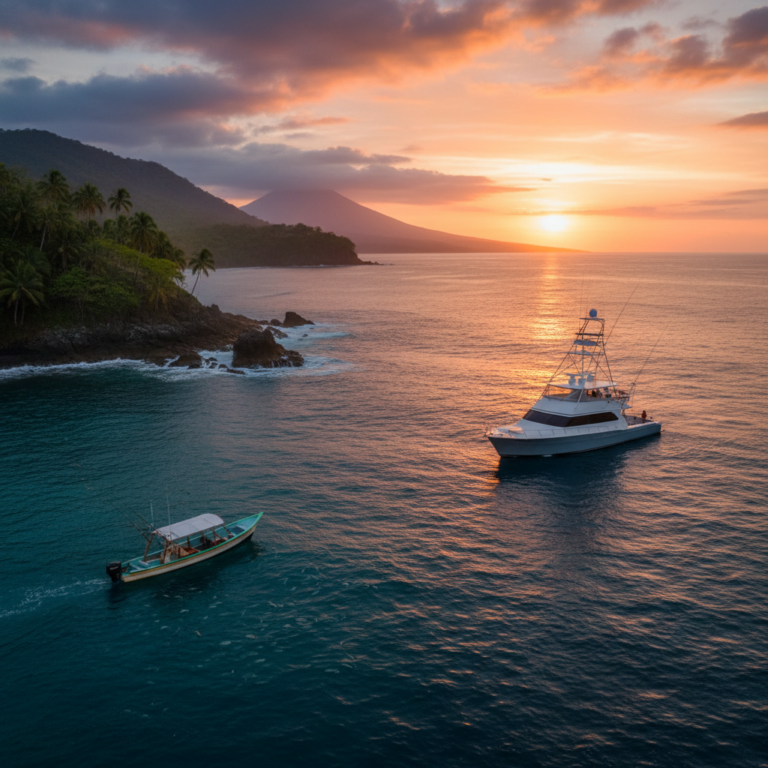
A full-day sailfish charter off Guanacaste is generally an 8- to 9-hour trip. You’re looking at a range of about $1200 to $2500 per day. This usually covers the boat, fuel, an experienced captain and mate (sometimes two mates on bigger boats), all the fishing gear (rods, reels, tackle, bait), and often a cooler stocked with drinks (water, sodas, beer) and some lunch (usually sandwiches or wraps). The price varies based on the size and amenities of the boat. A smaller 30-35 foot center console might be on the lower end, while a luxurious 40+ foot sportfisher with air conditioning and a full salon will be on the higher end. You get what you pay for, but even the smaller boats can put you on fish just fine. Heads up: Half-day charters are available, usually 4-5 hours, and run anywhere from $800 to $1500. But for sailfish, a half-day just isn’t enough time. You spend an hour or more running offshore, then you’re fishing for maybe two hours, and then you’ve got to run back. I always tell my friends, go for the full day or don’t bother for sailfish. Most charters depart from major marinas like Playas del Coco, Tamarindo, Flamingo, or from the private docks within the Papagayo Gulf resorts. Your captain will tell you exactly where to meet. And for a local detail that’s critical: tips for the crew are standard and expected. If they work hard and put you on fish, 15-20% of the charter cost is the norm, and cash is always preferred. These guys work their butts off.Catch and Release: It’s the Law and the Ethic
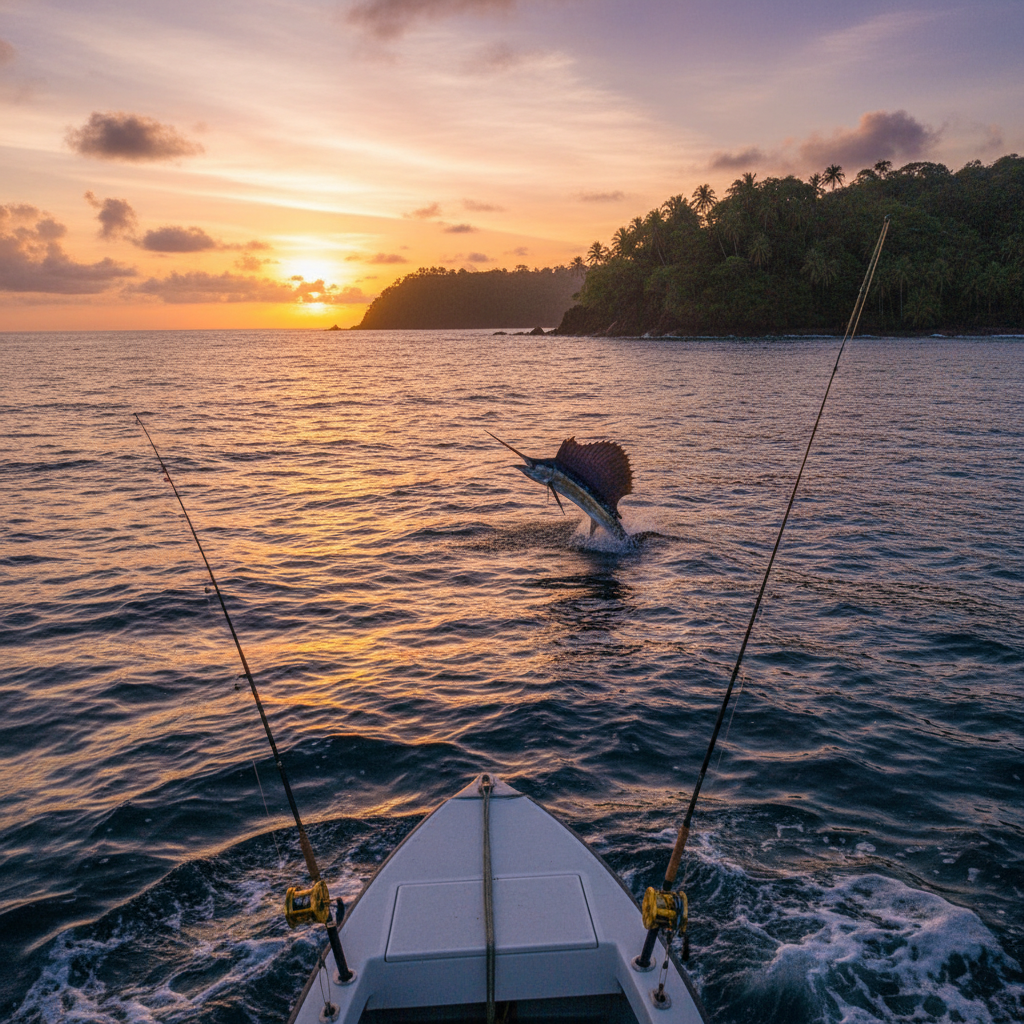
Let’s be absolutely clear: all sailfish caught in Costa Rica are strictly catch-and-release. It’s the law, and it’s critical for protecting our fishery. No exceptions. We don’t keep them, we don’t eat them. We admire them, we get a quick photo, and then we release them to fight another day. This means circle hooks are mandatory. They’re designed to hook the fish in the corner of the mouth, minimizing harm. Your captain and crew are experts at handling these fish quickly and safely. They’ll tell you what to do. You just need to listen. When a sailfish is brought alongside the boat, the crew will typically grab the bill, quickly remove the hook, and get the fish ready for a photo. If you want a photo with the fish, it should be done quickly. Don’t pull the fish entirely out of the water and don’t spend forever posing. Get your shot, then help the crew revive it by holding it upright in the water until it’s strong enough to swim off on its own. Heads up: the faster you get that fish back in the water, the better its chances of survival. Don’t be that tourist who keeps the fish out of the water for minutes. The local captains really care about this, it’s their livelihood and the future of our fishing. They’ll be firm about proper handling, and that’s a good thing.What to Expect on a Typical Sailfish Trip
Your day will start early, usually around 6:00 AM to 7:00 AM. You’ll meet your boat at the marina or a designated dock, load your gear, and then you’re off. The run offshore to the fishing grounds can take anywhere from 1 to 2 hours, sometimes up to 30 miles out, depending on where the fish are holding. This is your chance to enjoy the sunrise over the Pacific and maybe spot some dolphins or sea turtles. Once you’re in the fishing zone, the crew will deploy the spread of lines and teasers. Then it’s a waiting game. You’ll be trolling, watching the rod tips, and keeping an eye out for any surface action like birds diving or baitfish jumping. When a sailfish hits, it’s unmistakable. The reel screams, the line peels off, and then often, the sailfish leaps into the air, putting on an incredible show. Fighting a sailfish can take anywhere from 15 minutes to an hour or more, depending on the size of the fish and your angling skill. These are powerful fish. But don’t worry, the crew will coach you through it. Once you get it to the boat, it’s all about the quick release, a high-five, and then back to fishing for the next one. And let me tell you, it’s called fishing, not catching. There will be days when the bite is slow, or you miss a hook-up. That’s just part of it. But when it’s on, it’s an adrenaline rush like no other. You’ll be back at the marina, probably around 4:00 PM or 5:00 PM, smelling like diesel and salt, and feeling completely satisfied, whether you caught one or ten.Sailfish Season Likelihood Comparison
| Category | Peak Season (Dec – Apr) | Shoulder Season (Nov, May) | Off-Season (Jun – Oct) |
|---|---|---|---|
| Sailfish Action | Excellent, highly consistent. High numbers. | Good to very good. Decent numbers, but can be variable. | Low to fair. Sporadic catches, hard work. |
| Water Temperature | Consistently 78-82°F (25.5-27.7°C) | Mostly 78-82°F, but can fluctuate. | Variable, often warmer with more rain. |
| Weather Conditions | Mostly sunny, dry, Papagayo winds can be strong. | Mixed sun and rain, less wind. | Rainy season, often calmer seas (unless a storm hits). |
| Bait Availability | Abundant baitfish schools. | Good, but can be less concentrated. | Patchy, requires more searching. |
| Charter Availability | Extremely limited, book far in advance. | Good, but best boats book up. | Usually good, easier last-minute bookings. |
| Recommended Trip | Definitely plan for sailfish. | Can be good for sailfish, but other species also popular. | Target other species, sailfish as a bonus. |
Frequently Asked Questions About Sailfishing Here
What’s the best time of day to catch sailfish?
Sailfish can bite at any time of day, but often the early morning bite, from about 8:00 AM to noon, is the most productive. As the sun gets higher, the bite can sometimes slow, but then pick up again in the late afternoon. It really depends on the day, the currents, and the bait.How far offshore do we go for sailfish?
You’ll typically be fishing anywhere from 10 to 30 miles offshore. Sometimes they’re closer, sometimes further. The captains are constantly communicating and know where to find them based on recent reports and current conditions.Can I keep any fish I catch?
No, absolutely not for sailfish. All sailfish are 100% catch and release by law here in Costa Rica. However, if you catch other species like dorado (mahi-mahi), tuna, or wahoo, you can keep those. The crew will even fillet them for you back at the dock, and many local restaurants will cook them up fresh for your dinner.
What else might we catch out there?
While you’re targeting sailfish, you have a really good chance of hooking into other incredible pelagic species. Dorado (mahi-mahi) are super common, especially during our green season, and they’re fantastic eating. Yellowfin tuna can also be abundant, sometimes in huge schools. Wahoo are less common but a real prize if you catch one. And every now and then, a blue or black marlin will crash the spread, which is a whole different level of excitement.Do I need a fishing license?
Yes, everyone on board who is fishing needs a valid Costa Rican fishing license. Your charter captain will typically handle the process of getting these for you, or they’ll tell you exactly how to get it online beforehand. It usually costs around $15 for a 3-day license. Make sure you have it, because fines can be steep. Ready to chase some sails? If you want to make sure you book a reputable boat and get the best advice for your trip, reach out to my local concierge service. We’ll set you up right. Connect with my local concierge here!Planning more of your trip? See our full guide to sport fishing charters on the Guanacaste coast.
We Will Plan and Book It For You. Free.
Skip the tourist traps and the language barrier. Tell us your dates and what you want to do. We line up the charters, tours, chef, carts and rentals with operators we know personally. No markups, no fees to you.
Get Your Free Plan