Inshore vs Offshore Fishing in Costa Rica: Which Should You Book?
Alright, so you’re asking about fishing charters, inshore versus offshore, and which one you should pick? Here’s the deal: Inshore fishing is generally your go-to for a more relaxed trip with a higher chance of constant action, perfect if you’re new or with family, while offshore is for the big game thrill, but it costs more and can be a serious workout.
Let’s Talk Inshore Fishing: The Real Deal for Most People
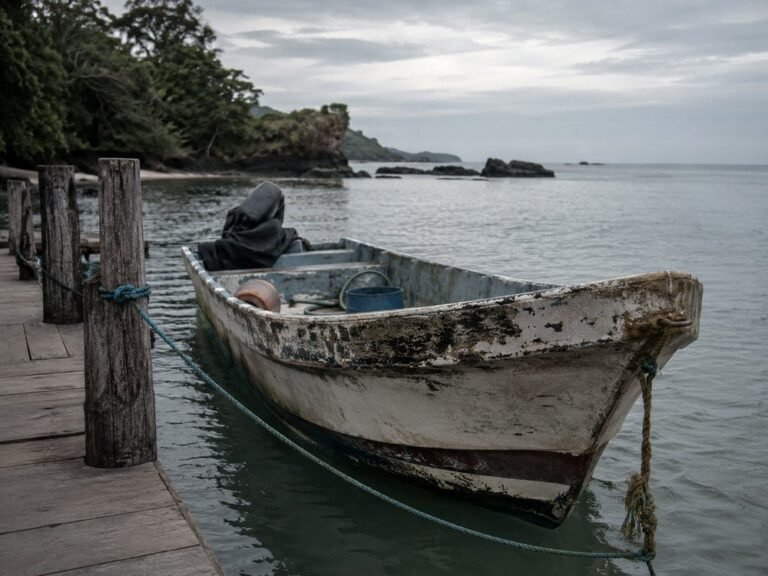
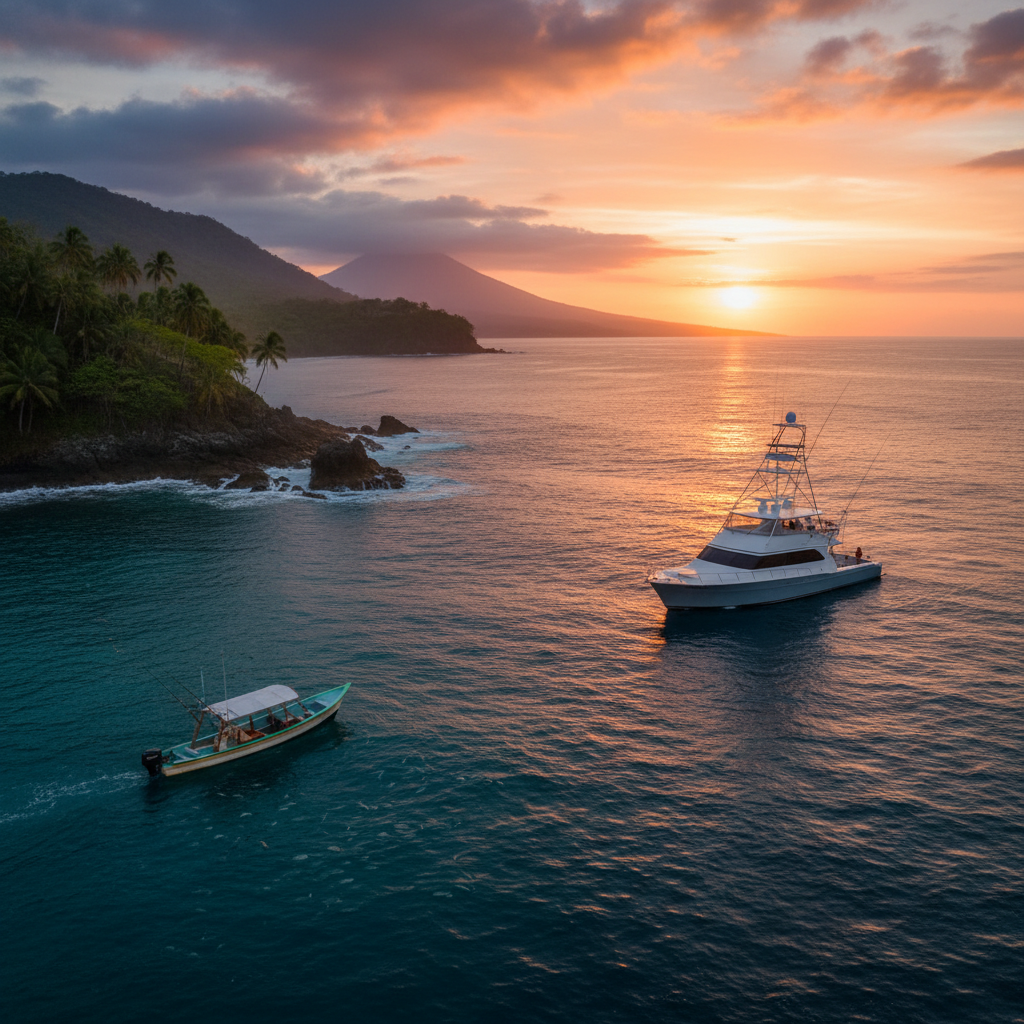
Look, I’ve lived here on the Guanacaste coast for years, and I’ve seen countless people come and go, trying to figure out the fishing scene. For most folks, especially if you haven’t spent your life on a boat, inshore fishing is where it’s at. You stick closer to the coast, usually within a few miles of places like Tamarindo or Playa Flamingo, so you’re not out in the deep blue all day.
What You’ll Catch (And Why It’s Fun)
Inshore is all about species like Roosterfish, Snapper (you’ll find Cubera, Red, and Yellowtail), Jack Crevalle, Sierra Mackerel, and sometimes even a Grouper or two. Roosterfish, in particular, are iconic here; they fight like crazy and they look amazing. You’ll often be sight-casting or using live bait around rocky outcroppings and river mouths, especially up near the Papagayo Gulf.
And let me tell you, when a Roosterfish hits, it’s an explosion. They don’t give up easily. I’ve seen seasoned anglers get worn out by a 40-pound Rooster near the Catalinas Islands, and those fish are tough. You’re typically fishing in shallower waters, say 20-100 feet deep.
The Damage (Cost-Wise)
Expect to pay anywhere from $500 to $900 for an inshore charter. A half-day trip, which is usually around 4-5 hours, will run you about $500-$700. A full-day, which is more like 8 hours, is closer to $700-$900. Prices definitely depend on the boat, the crew, and how many people you’re bringing. Don’t expect to fit ten people on a 25-foot panga for the base price. Most charters here will include drinks, maybe some snacks, and all the gear you need.
Fair warning: always confirm what’s included before you book. Some outfits try to nickel-and-dime you for things that should be standard.
Trip Duration & Sea Conditions
Like I said, half-day or full-day. For most families with kids, a half-day is plenty. It’s enough time to get some bites and enjoy being on the water without anyone getting bored or too sunburnt.
The sea conditions are usually much calmer inshore. You’re typically in protected bays or closer to the coast, so you don’t feel the big ocean swells as much. This is a huge plus if you or someone in your group gets seasick. I’ve been on days where it’s flat as glass and you can see the bottom, even a mile out.
Who It’s Best For
Inshore fishing is the best, period, for families with younger kids or beginners. You’re almost guaranteed to catch something, even if it’s just a smaller Jack or Mackerel, which keeps everyone entertained. It’s a great introduction to saltwater fishing without the intensity of a big offshore trip. Plus, you get to see more of the coastline, which is beautiful.
Heads up: inshore isn’t always about trophies. Sometimes you’re just reeling in smaller fish, but it’s still a blast. It’s about the consistent action, not necessarily landing a 500-pound Marlin.
Offshore Fishing: Go Big or Go Home
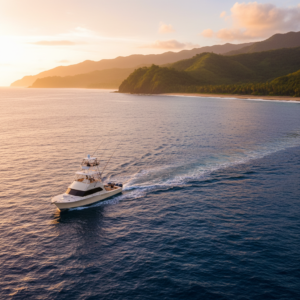
Now, if you’re serious about fishing, if you’ve done this before, or if you just want to chase monsters, offshore is your game. This is where you head out into the deep blue, sometimes 20-40 miles or more from the coast, past the continental shelf, where the ocean drops off dramatically.
The Big Fish Club
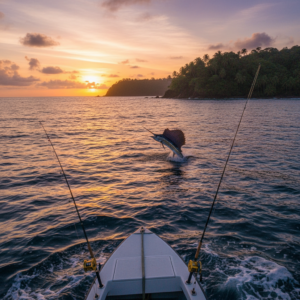
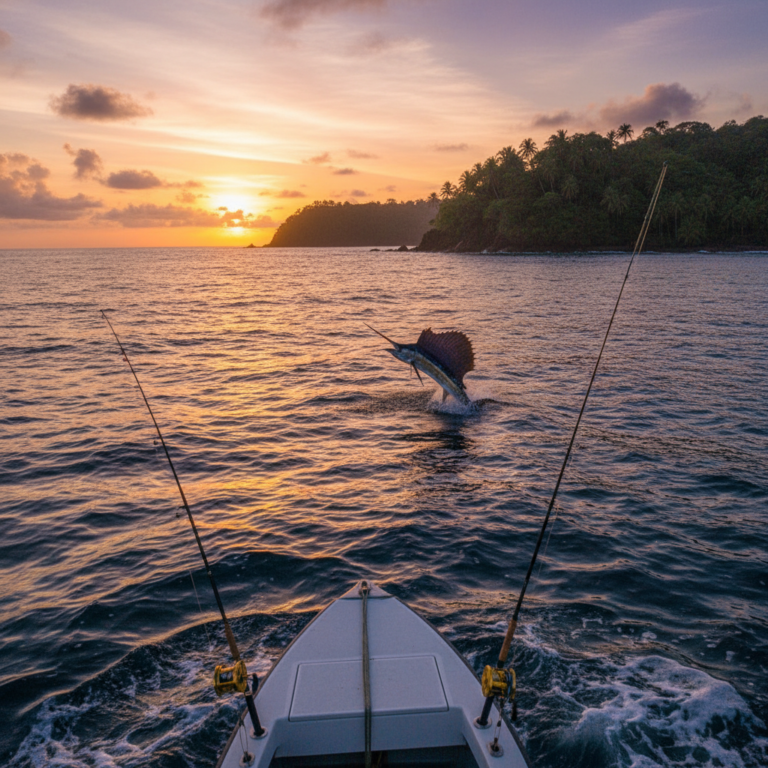
Offshore fishing means you’re targeting the big pelagic species: Marlin (Blue, Black, and Striped), Sailfish, Dorado (Mahi-Mahi), Yellowfin Tuna, and Wahoo. These are the fish that make headlines, the ones that take hours to reel in, and often involve a serious battle.
Guanacaste is famous for its Marlin and Sailfish action. The peak season for Sailfish is typically December to May, and for Marlin, you can find them year-round, but August to November is often stellar. I’ve seen 600-pound Blue Marlin get hooked a few miles off of Tamarindo, just ripping line like a freight train. It’s a different league of fishing, and a truly humbling experience to be out there.
But be warned, you can spend hours trolling with no bites. It’s called “fishing,” not “catching,” for a reason, especially when you’re hunting these giants.
The Hefty Price Tag
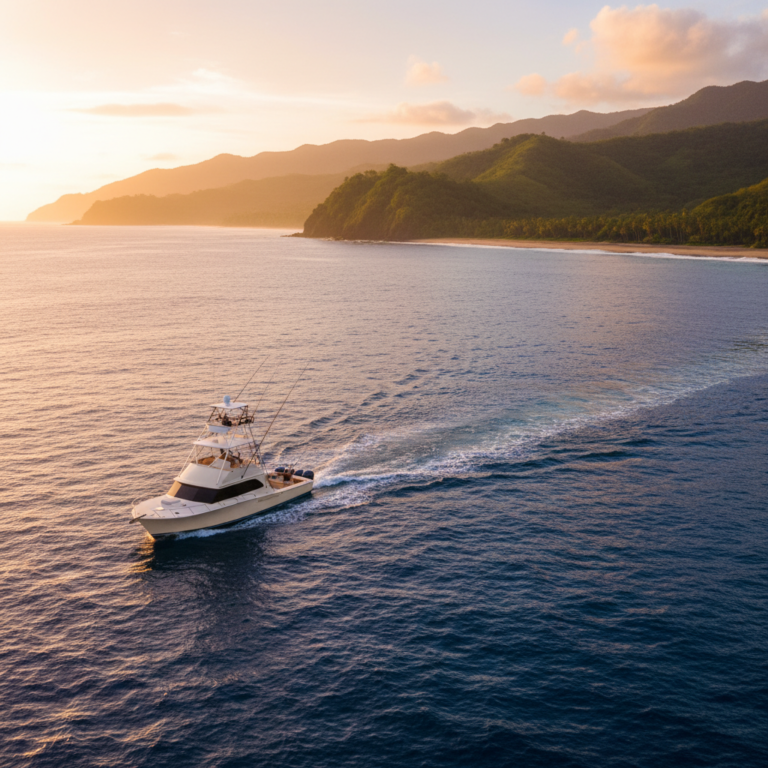
Offshore charters are significantly more expensive. You’re looking at $1200 to $2500, easily. A half-day offshore trip, if you can even find one (most are full-day), might start around $1200-$1600. A full-day, 8-9 hour trip, is typically $1800-$2500. This is because you’re on bigger boats with twin engines, burning a lot more fuel, and carrying a lot more specialized gear. Plus, the crews are usually more experienced in handling these big beasts.
Heads up: don’t skimp on an offshore trip. A cheap offshore charter is usually cheap for a reason – older boats, less experienced crew, or bad gear. You don’t want to be 30 miles out and have equipment fail when you’ve got a Marlin on the line. Trust me on this one. Pay for quality.
Trip Duration & Sea Conditions
Most offshore trips are full-day excursions. You need the time to run out to the deep waters, troll for hours, and then run back. It’s a commitment. You’ll often be leaving the dock around 7 AM and not getting back until 4 or 5 PM.
And those sea conditions? They can be rough. When you’re miles offshore, you’re dealing with open ocean swells. It’s not uncommon to have 3-5 foot waves, and sometimes bigger. If you get seasick easily, offshore might not be for you. I’ve seen some tough guys turn green out there. Pop a dramamine *before* you even get on the boat, not when you start feeling queasy.
Who It’s Best For
Offshore fishing is for experienced anglers, people who love a challenge, and those who dream of catching a billfish. It’s definitely not for young kids or people prone to seasickness. The waits can be long between bites, but the payoff, when it comes, is monumental. It’s an adventure, plain and simple.
Inshore vs. Offshore: The Quick Breakdown
| Feature | Inshore Fishing | Offshore Fishing |
|---|---|---|
| Target Species | Roosterfish, Snapper, Jack Crevalle, Sierra Mackerel, Grouper | Marlin (Blue, Black, Striped), Sailfish, Dorado, Yellowfin Tuna, Wahoo |
| Typical Cost (USD) | $500 – $900 | $1200 – $2500 |
| Trip Duration | Half-day (4-5 hrs), Full-day (8 hrs) | Mostly Full-day (8-9 hrs) |
| Sea Conditions | Generally calmer, closer to shore, protected bays | Can be rougher, open ocean swells, far from shore |
| Action Level | Often consistent bites, good for varied skill levels | Periods of long waits, intense battles when fish hit |
| Ideal For | Families, beginners, casual anglers, less sea-sickness prone | Experienced anglers, thrill-seekers, big game hunters, those OK with rougher seas |
| Proximity to Shore | Within a few miles (e.g., 1-5 miles) | Farther out (e.g., 20-40+ miles) |
So, How Do You Choose?
This is where your personal preferences come in. Don’t let anyone tell you one is “better” than the other without knowing what you want out of the trip.
- Budget: If you’re on a tighter budget, inshore is your obvious choice. Offshore is a luxury experience, no two ways about it.
- Experience Level: Never fished saltwater before? Or bringing kids? Go inshore. You’ll have a better time, period. If you’ve got some experience and a taste for battling big fish, and your wallet allows, offshore is incredible.
- Tolerance for Seasickness: This is huge. If you get queasy on a ferry, offshore is probably not for you. Stick to the calmer waters inshore.
- Patience: Inshore usually offers more constant action. Offshore can be hours of waiting followed by 2 hours of pure adrenaline. Know yourself.
- Target Species: Do you dream of catching a giant Marlin or Sailfish? Offshore. Do you want to tangle with a powerful Roosterfish or bring home some Snapper for dinner? Inshore.
And remember, you can always do both if you’ve got the time and money. Some people will do a half-day inshore to get some immediate action, then a full-day offshore a few days later for the big hunt. That’s a smart play if you ask me.
FAQ Section
Can I eat the fish I catch on a charter?
Most of the time, yes! Especially with inshore species like Snapper or Grouper. Charters usually operate on a “catch and release” policy for billfish (Marlin, Sailfish) because they’re protected and valued for sport, but edible fish are fair game. The crew will often fillet your keepers for you right on the boat. Then you can take them to a local restaurant in Tamarindo or Playas del Coco and they’ll cook them up for a fee. It’s the freshest meal you’ll ever have.
What should I bring on a fishing trip?
Alright, essentials here. Bring sunscreen, and apply it often, even on cloudy days; the sun here is intense. A good hat and polarized sunglasses are non-negotiable. Bring a long-sleeved shirt, preferably a lightweight, breathable one, to protect your arms. Water and snacks are usually provided, but if you have specific preferences, bring your own. Don’t forget your camera, obviously. And if you’re doing offshore, definitely bring motion sickness medication and take it before you even board.
Do I need a fishing license in Costa Rica?
Yes, you do. Every person on the boat who is fishing needs a license. Your charter captain should be able to help you get one, or they might even have them available onboard. They’re usually pretty cheap, like $15 for 8 days, but it’s important to have. Don’t try to skip it; the fines aren’t worth the hassle, and it’s just plain disrespectful to the local regulations.
What’s the best time of year to fish in Guanacaste?
It really depends on what you’re trying to catch. For Sailfish, the dry season, roughly December through May, is killer. Marlin are around all year, but I’ve seen some incredible runs in the rainy season, especially August to November. Dorado (Mahi-Mahi) are more prevalent during the rainy season too, when the rivers flush out debris creating bait lines. Honestly, there’s always something biting here. Just tell your captain what you’re hoping for, and they’ll know the current patterns.
If you want help sorting out the perfect charter for your trip, or just need a local’s take on the best captains around, hit me up. I’ve got contacts for days.
Check out our concierge service for personalized recommendations and booking assistance: https://www.guanacastelife.com/concierge/
Planning more of your trip? See our full guide to sport fishing charters on the Guanacaste coast.
We Will Plan and Book It For You. Free.
Skip the tourist traps and the language barrier. Tell us your dates and what you want to do. We line up the charters, tours, chef, carts and rentals with operators we know personally. No markups, no fees to you.
Get Your Free Plan