How to Spot a Sketchy Fishing Charter in Costa Rica: 12 Red Flags Every Angler Should Know
·
Updated 2026
·
Tamarindo, Costa Rica
You step off the plane in Liberia. By the time you reach your villa, three WhatsApp numbers, a Facebook ad, and a guy at the bar have all offered you a “great deal” on a fishing charter. The Pacific coast of Costa Rica has more sport fishing operators per square mile than almost anywhere else in the world – and the gap between the good ones and the ones you should avoid is wider than most travelers realize.
This is the field guide: twelve specific red flags that tell you a Costa Rica fishing charter is sketchy before you hand over any money, plus the green flags that tell you the captain is legit. Use the sixty-second sanity check at the end before you book anything.
A sketchy Costa Rica fishing charter is one that is unlicensed, uninsured, or unable to deliver what it advertises. Common patterns: no registered business, no INCOPESCA registration, no marine safety gear, cash-only payment with no receipt, photos that do not match the actual boat, and a refusal to put the quote in writing. The financial loss is usually $500 to $3,000 per group, but the bigger problem is being twelve miles offshore on a boat with no radio, no life jackets, and a captain whose last name you do not know.
12 red flags: how to spot a sketchy fishing charter in Costa Rica
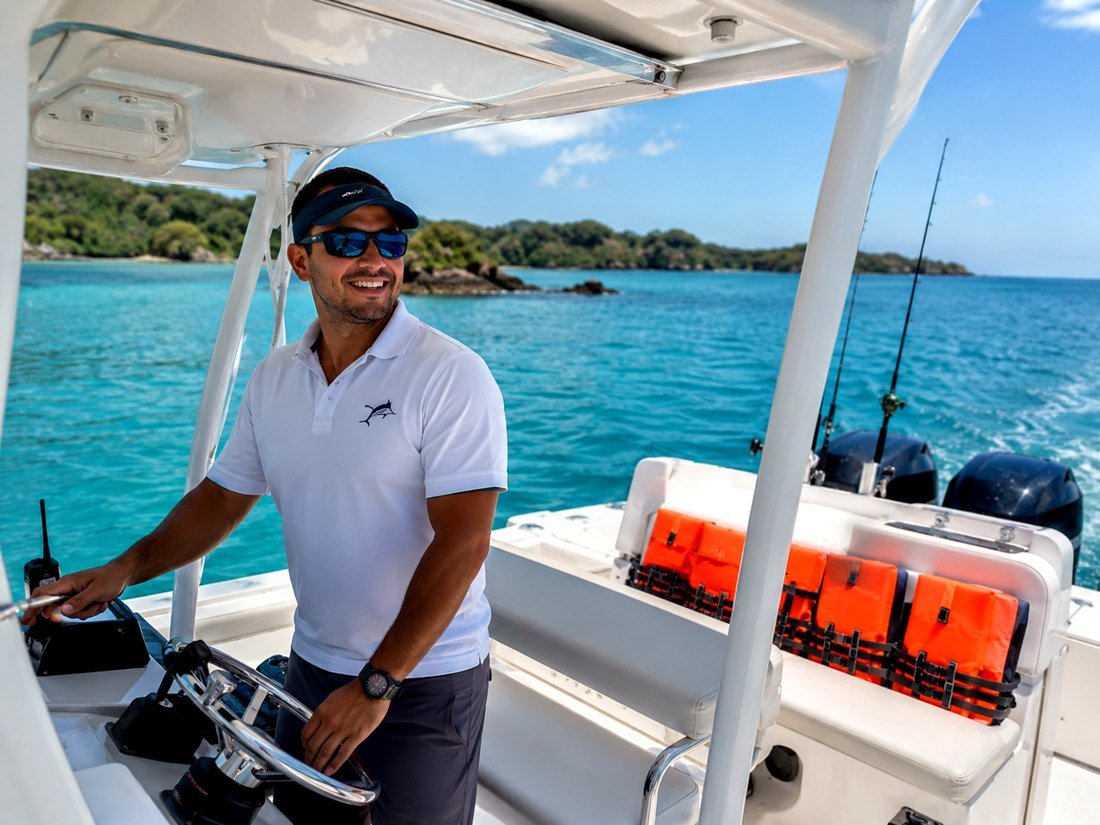
What a legitimate captain looks like
Legitimate Costa Rica fishing captains share a clear pattern. They run registered businesses, they show their licensing on request, their boats are professionally maintained, and they have a paper trail of happy customers. None of that is a secret – they are proud of it.
- ✓Registered business name + visible INCOPESCA registration
- ✓Insurance documents and captain’s license available on request
- ✓Modern safety gear in every boat photo (life jackets, radio, EPIRB)
- ✓20+ verifiable Google or TripAdvisor reviews with photos
- ✓Bilingual captain or mate, clear English communication
- ✓Written, itemized quote sent by text or email
- ✓Names the marina (Tamarindo, Flamingo, Coco, or Papagayo)
- ✓Clear cancellation and weather-rebook policy in writing
- ✓Filet service at the dock – signals local infrastructure
- ✓Accepts card, bank transfer, or invoice (not cash-only)
- ✓Available to meet at the dock for a quick boat look before payment
- ✓A modest deposit (20 to 30 percent), not the full amount up front
- □Did they give you a registered business name?
- □Did they put the quote in writing?
- □Does the price include the fishing license?
- □Do they have 20+ recent reviews with photos?
- □Will they meet you at the dock before payment?
- □Do they accept card or bank transfer (not cash-only)?
What to do if you have already paid a sketchy operator
If you read this list and realized the charter you booked is showing five of the twelve red flags, here is how to limit the damage and increase your chance of getting the money back.
- Ask immediately for written confirmation with the captain’s name, boat name, marina, and date.
- Look up the business on Google. If you cannot find them with reviews, that is the answer.
- Save every screenshot of the WhatsApp or email chain. Time-stamps and message IDs.
- If the trip falls through, file with the Policia Turistica (Costa Rica tourist police, 2222-1365) – they take this seriously.
- If you paid by credit card, contact your card issuer for a chargeback (most have 60 to 90 day windows).
- For larger losses, contact the ICT (Costa Rica Tourism Board) – they maintain a complaint registry.
Why this is worse on the Pacific coast of Costa Rica specifically
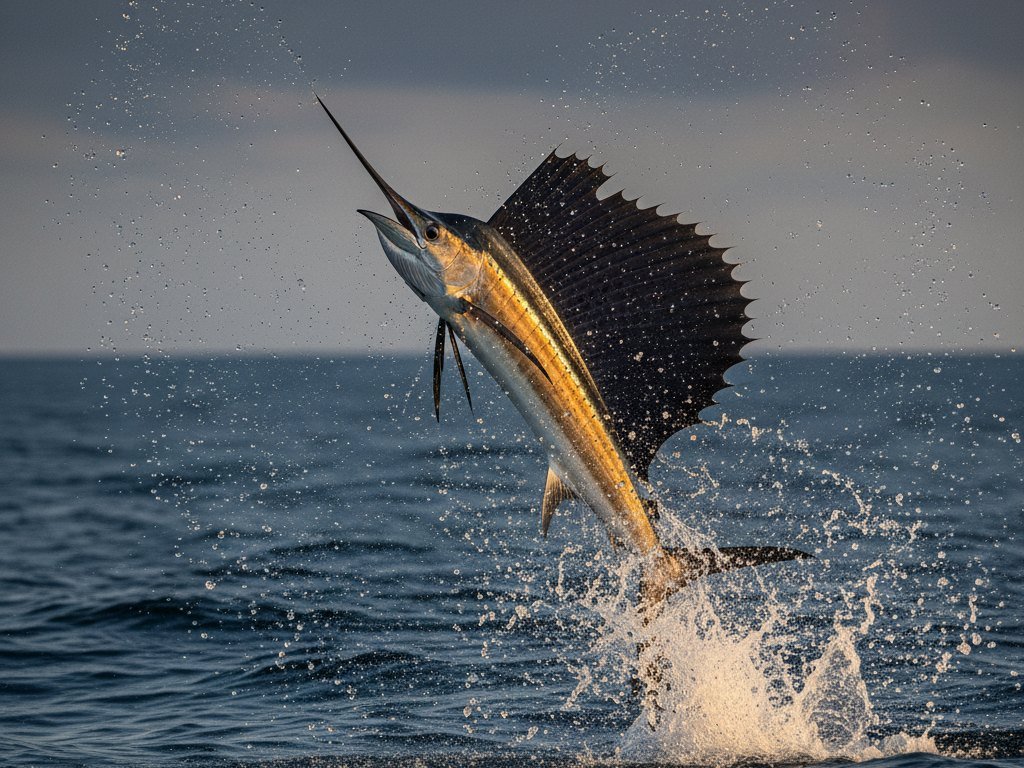
Guanacaste sees more incoming sport-fishing tourists per capita than almost anywhere else in Central America. The legitimate fleet is huge – but the size of the market also makes it easy for fly-by-night operators to slot in for a few months, fleece a stream of tourists, and disappear before reviews catch up.
Add an informal WhatsApp economy where booking happens by message rather than booking platform, four different marinas with their own quirks, and a constant fresh supply of first-time visitors who do not know what a real Costa Rica fishing charter costs – and the result is more bad operators here than on any comparable coast.
The good captains know this and they are happy to answer every question on this list. The bad ones avoid the questions.
Skip the guesswork: book through a vetted local

There is a simpler answer: do not source the captain yourself. We have personally fished with every Costa Rica fishing charter we recommend – licensed boats, insured crews, the local pricing tourists never see. The advice is free. The booking is free. If the weather cancels, we handle the rebook.
The full pillar guide to Costa Rica deep sea fishing in Guanacaste covers every species, season, and port. The trust page covers why booking through us is free and how we make money →
Frequently asked questions
How do I check if a Costa Rica fishing captain is licensed?
What is INCOPESCA and how do I verify a charter is registered?
Can I trust Facebook page fishing charters?
What is the typical cost of a legitimate full-day deep sea fishing charter in Costa Rica?
Should I pay a deposit in advance for a Costa Rica fishing charter?
What is the safest way to book a fishing charter in Costa Rica?
Skip the guesswork. Tell us when you are coming and what you want to catch – we line up the vetted boat.
Planning more of your trip? See our full guide to sport fishing charters on the Guanacaste coast.
We Will Plan and Book It For You. Free.
Skip the tourist traps and the language barrier. Tell us your dates and what you want to do. We line up the charters, tours, chef, carts and rentals with operators we know personally. No markups, no fees to you.
Get Your Free Plan